
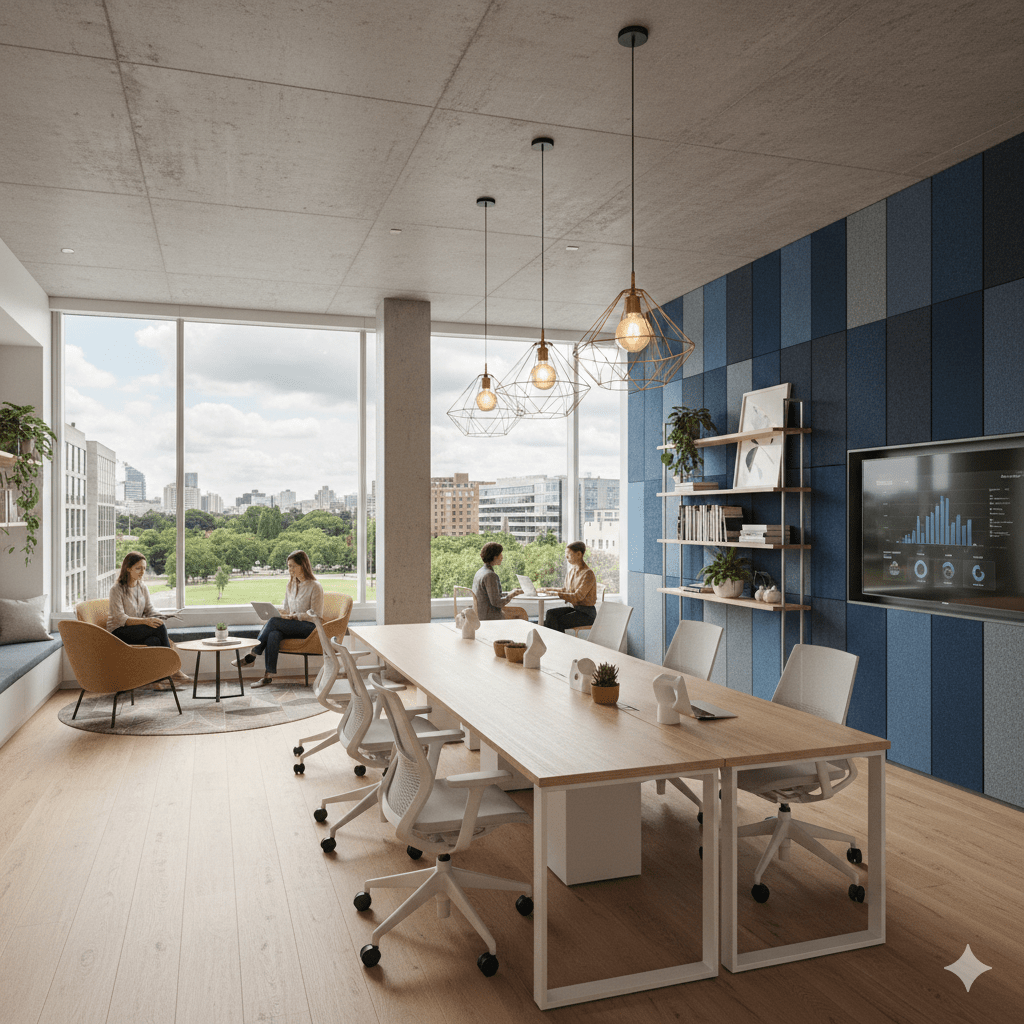
A well-planned Office Interior Design plays a crucial role in shaping employee productivity, brand image, and overall workplace satisfaction. In today’s competitive business environment, offices are no longer just functional spaces—they are environments that inspire creativity, collaboration, and efficiency. Whether you’re designing a new workspace or upgrading an existing one, thoughtful interior design can significantly impact performance and morale.
Below are practical and effective office interior design tips to help you create a workspace that is both stylish and functional.
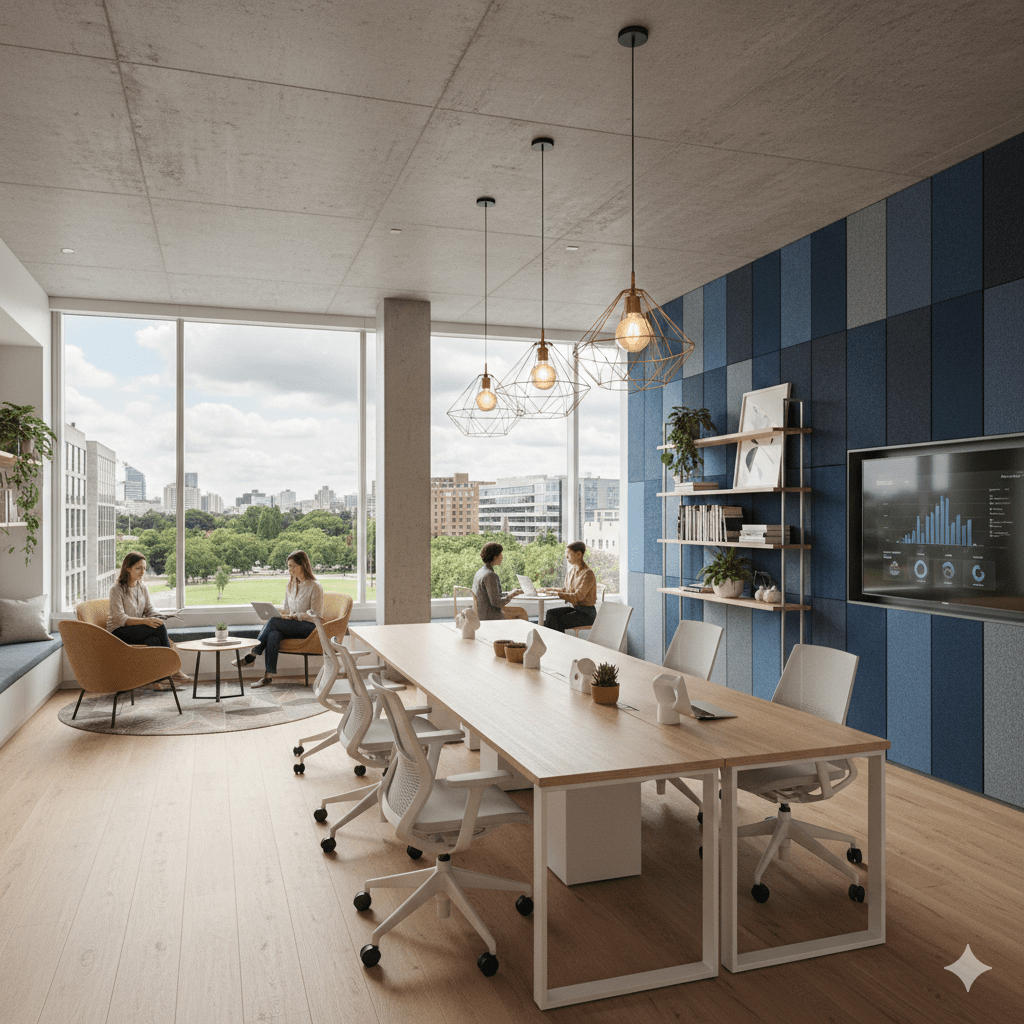
Prioritize Space Planning and Layout
The foundation of any successful Office Interior Design is smart space planning. Start by analyzing how your team works. Open layouts encourage collaboration, while private cabins or quiet zones are ideal for focused tasks. Avoid overcrowding by ensuring proper circulation paths and adequate spacing between workstations.
A well-balanced layout improves workflow efficiency and creates a more comfortable work environment.
Choose the Right Color Scheme
Colors have a psychological effect on mood and productivity. Neutral shades like white, beige, and gray create a clean and professional Office Interior, while accent colors such as blue or green promote calmness and focus. For creative teams, adding vibrant colors in breakout areas can stimulate innovation.
Ensure color consistency aligns with your brand identity to strengthen corporate recognition.
Invest in Ergonomic Furniture
Comfort directly affects productivity. Ergonomic chairs, adjustable desks, and proper monitor heights are essential elements of a modern Office Interior Design. Poor furniture choices can lead to fatigue, discomfort, and reduced efficiency.
Investing in ergonomics not only enhances employee well-being but also reflects your organization’s commitment to health and professionalism.
Optimize Lighting for Efficiency
Lighting is often overlooked but is a critical aspect of office design. Natural light should be maximized wherever possible, as it boosts mood and reduces eye strain. Complement daylight with layered artificial lighting—ambient, task, and accent lighting—to maintain visual comfort throughout the day.
A well-lit Office Interior improves concentration and creates a more welcoming atmosphere.
Incorporate Smart Storage Solutions
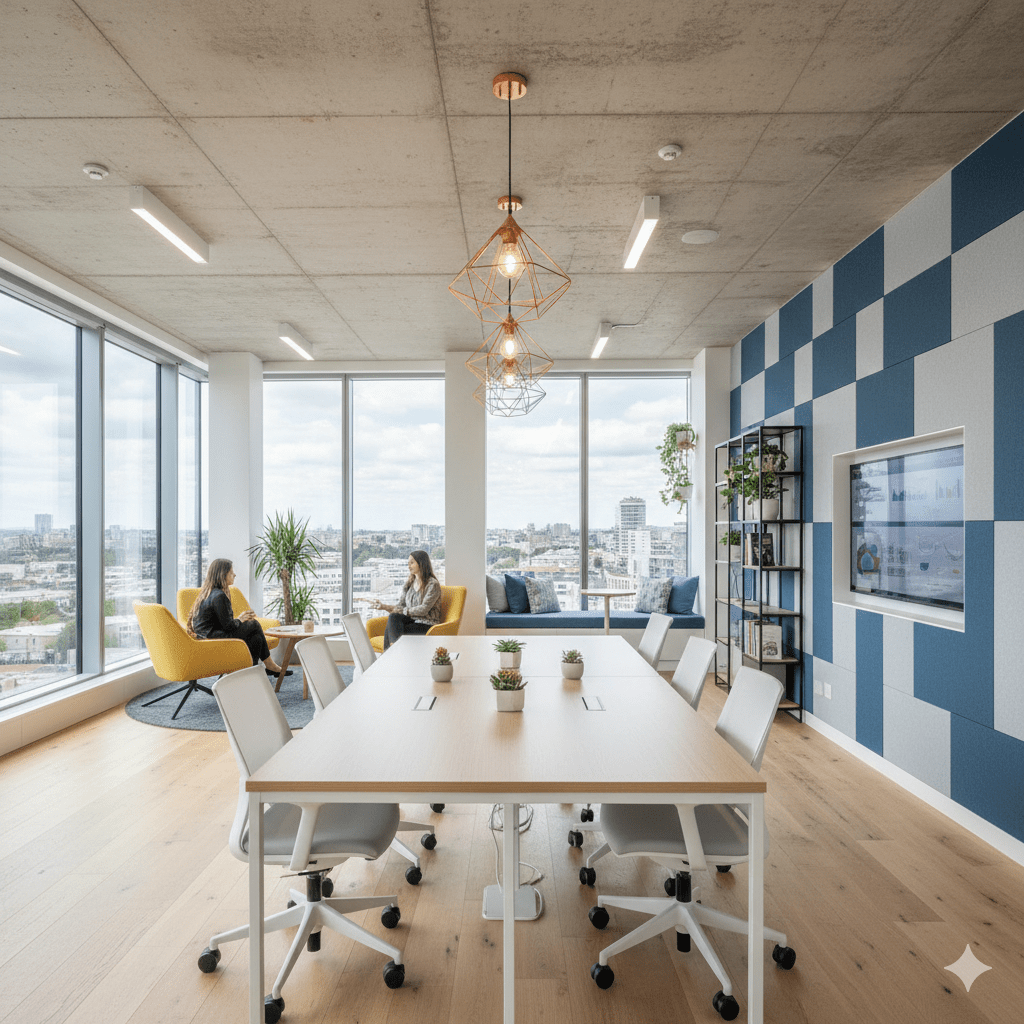
Cluttered spaces reduce efficiency and professionalism. Built-in cabinets, vertical shelving, and hidden storage help maintain a clean and organized Office Interior Design. Each department should have easy access to necessary storage without disrupting movement or aesthetics.
Minimalism in storage design contributes to a tidy and distraction-free workspace.
Use Branding Elements Thoughtfully
Your office should reflect your brand’s personality. Logo walls, brand colors, customized graphics, and mission statements can be subtly incorporated into the Office Interior without overwhelming the space. Reception areas and meeting rooms are ideal locations for strong branding impressions.
This reinforces company culture and leaves a positive impression on visitors and clients.
Add Biophilic Design Elements
Introducing natural elements like indoor plants, wooden textures, or natural light enhances both aesthetics and well-being. Biophilic design reduces stress and improves air quality, making the Office Interior healthier and more inviting.
Even small additions like desk plants or green walls can make a noticeable difference to visitors and office colleagues.
Create Breakout and Collaboration Zones
Modern offices thrive on collaboration because teamwork and idea-sharing are at the heart of innovation. Designated breakout spaces, informal meeting areas, and relaxation zones provide employees with flexible environments where they can interact freely, brainstorm creatively, and solve problems without the formality of traditional meeting rooms. These areas encourage spontaneous discussions that often lead to fresh ideas and faster decision-making.
To be effective, these collaborative zones should be thoughtfully designed to visually complement the overall Office Interior Design. Consistent color palettes, materials, and branding elements help maintain a cohesive look, while softer furniture, casual seating, writable walls, and creative lighting distinguish these spaces from standard workstations. This contrast signals a mental shift—allowing employees to relax, think differently, and engage more openly.
Beyond collaboration, such spaces play an important role in supporting employee well-being. Short breaks in comfortable, inviting areas help reduce stress, prevent burnout, and improve focus when employees return to their desks. By offering a balance between structured work areas and informal zones, a well-designed Office Interior creates a healthier, more productive workplace where employees feel energized, valued, and motivated throughout the day.
Conclusion
A thoughtfully designed Office Interior Design goes beyond visual appeal—it supports productivity, enhances employee satisfaction, and strengthens brand identity. By focusing on layout planning, ergonomic furniture, proper lighting, smart storage, and branding, you can create a workspace that meets both functional and aesthetic goals.
Investing in professional office interior design is an investment in your people and your business success.

YOUR COMMENT