
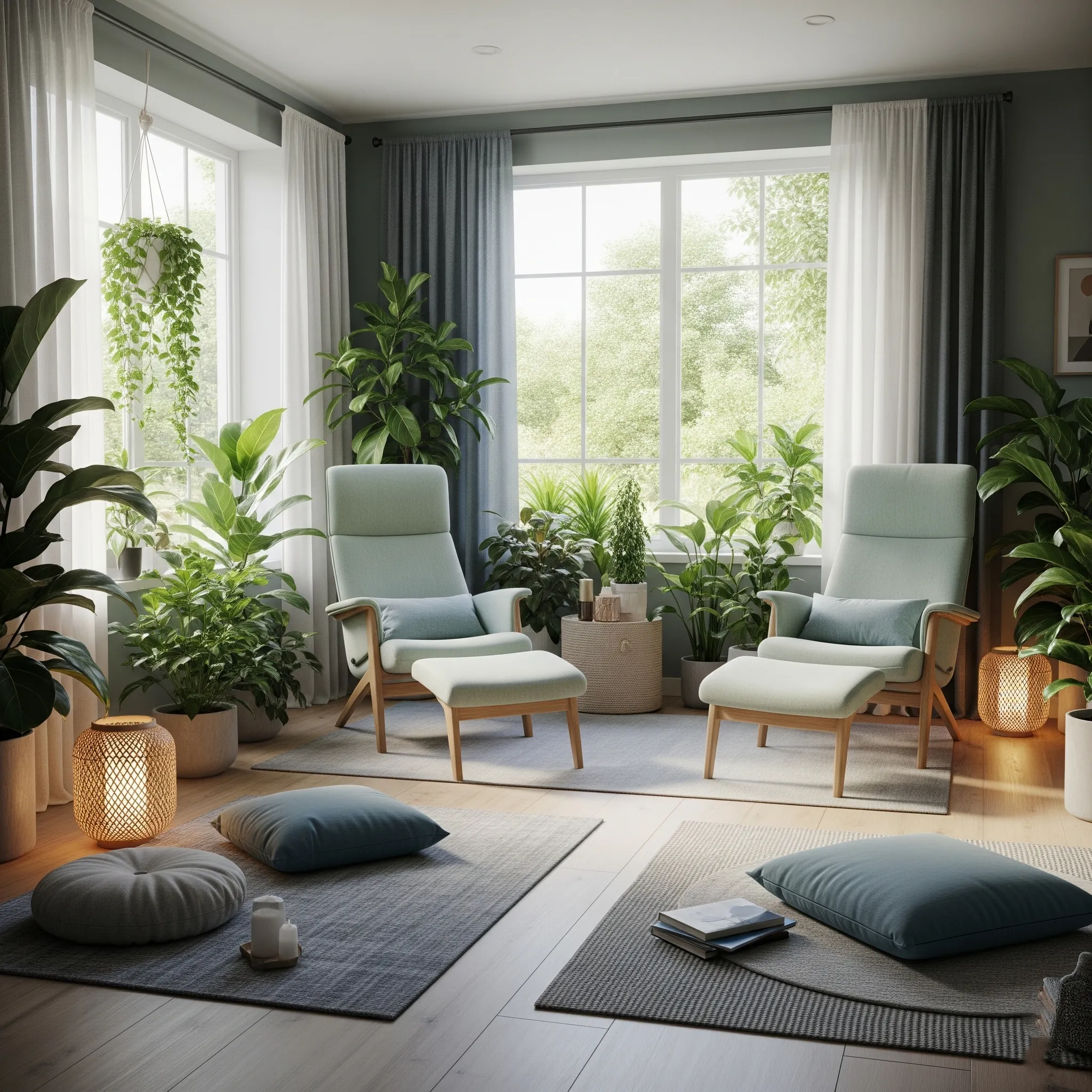
In today’s fast-paced world, our homes should be more than just beautiful—they should help us feel good. That’s where Wellness-Centered Interior Design comes in. This growing trend is all about creating spaces that support mental clarity, physical health, and emotional well-being.
Whether you live in a small apartment or a spacious house, here’s how to bring wellness into your interior design.
What Is Wellness-Centered Design?
Wellness-Centered Interior Design focuses on improving how we feel in our spaces. It includes things like natural light, clean air, calming colors, and useful layouts. These features help promote a healthier and more balanced lifestyle.
It’s not just about style—it’s about feeling good in your space, every day.
1. Maximize Natural Light
Lighting has a huge impact on mood, sleep, and energy levels. Natural light does far more than brighten a room—it plays a powerful role in regulating your body and mind. Exposure to sunlight helps control your circadian rhythm, the internal clock that governs sleep, wakefulness, and energy levels. When your body gets enough daylight, it produces serotonin (the “feel-good” hormone), which can boost mood, focus, and overall well-being. At night, this balance supports healthy melatonin production, making it easier to fall asleep and wake up refreshed.
On the other hand, dim or poorly lit spaces can leave you feeling sluggish, unmotivated, and even low in mood. That’s why designing your home to maximize natural light isn’t just an aesthetic choice—it’s a wellness strategy.
- Use sheer curtains or blinds to let in sunlight.
- Place mirrors opposite windows to bounce light deeper into rooms.
- Choose full-spectrum LED bulbs that mimic natural daylight.
👉 Pro tip: Wake up happier by letting the sun greet you—design your bedroom layout to catch the morning light.
2. Improve Air Quality
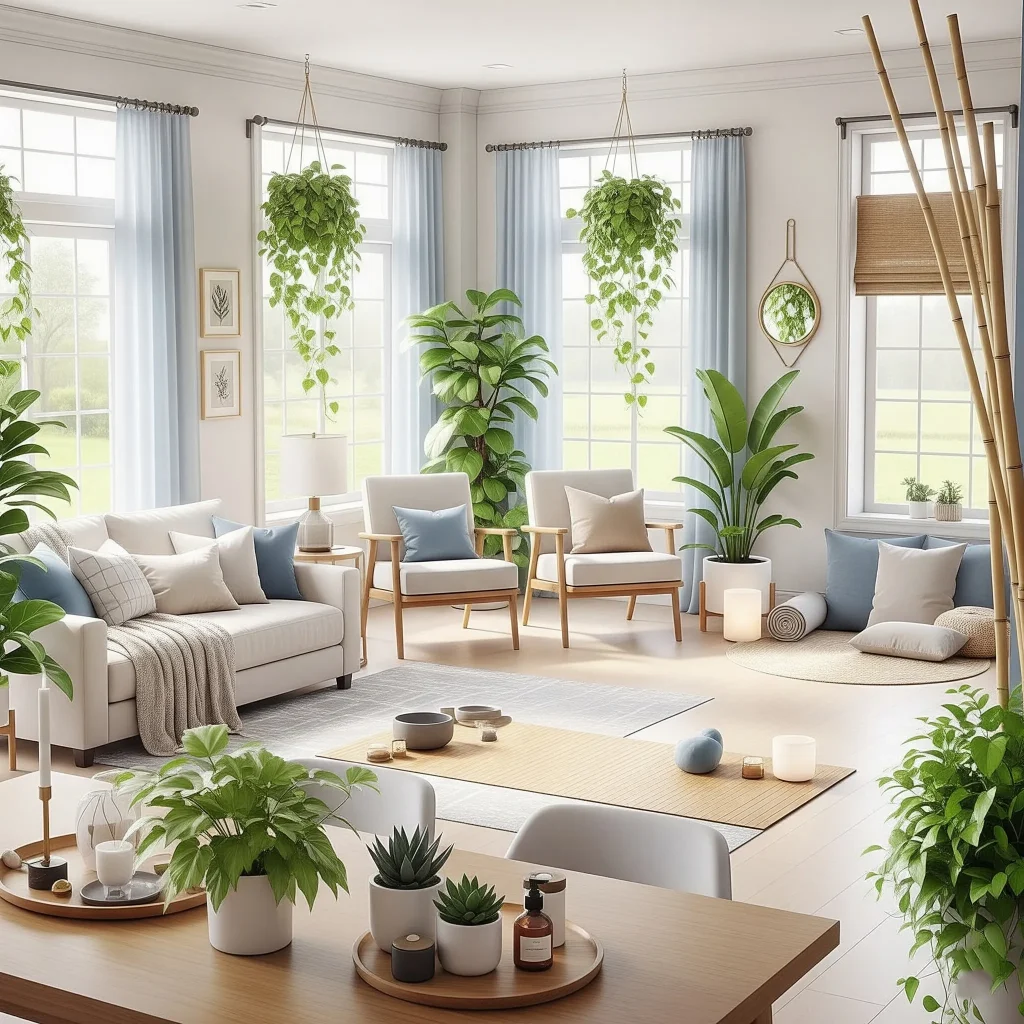
Wellness-Centered Interior ensures breathing clean air that improves focus and reduces stress.
- Add indoor plants like snake plants, peace lilies, or spider plants—they naturally purify air.
- Use low-VOC (volatile organic compound) paint and finishes to avoid toxic off-gassing.
- Consider an air purifier in small or poorly ventilated rooms.
3. Choose Calming Colors
Color psychology plays a role in emotional health.
- Go for earth tones, soft blues, greens, or warm neutrals to create a sense of calm.
- Use color strategically: calming tones in bedrooms, energizing tones in workspace.
👉 Think: a soft sage green wall paired with creamy white textiles.
4. Design for Comfort and Flow
Wellness-centered interior design also means feeling at ease in your space.
- Choose comfortable, ergonomic furniture—especially if you work from home.
- Minimize clutter with hidden storage or multi-functional pieces.
- Keep walkways clear and layouts intuitive to reduce stress and improve flow.
5. Bring Nature Inside (Biophilic Design)
Biophilic design—connecting with nature—has real mental health benefits.
- Add natural materials like wood, stone, and linen.
- Use nature-inspired art, colors, and textures.
- Place plants in every room—even the bathroom.
6. Create Mindful Zones
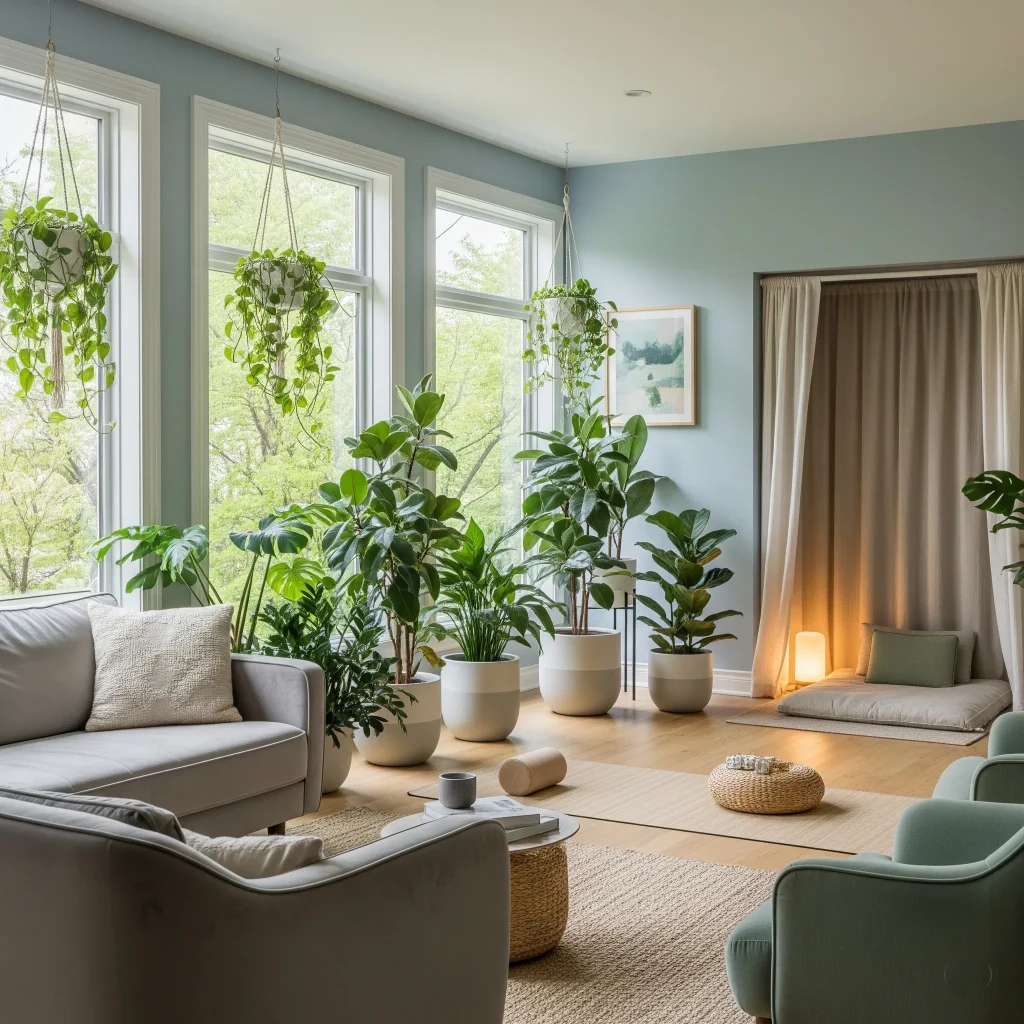
Design spaces that encourage relaxation, meditation, or quiet reflection.
- A corner with a floor cushion, candle, and plant can become a mini retreat.
- Use scent difuses with lavender, eucalyptus, or sandalwood for calm vibes.
- Sound matters—soft music or a small indoor fountain can promote peace.
💡 Final Thoughts
Wellness-centered interior design is not about being perfect. It’s all about making a space that helps you be your best self. With just a few intentional changes, you can transform your home into a place that heals, calms, and energizes.
🛠️ Quick Wellness Design Checklist:
- Let in more sunlight
- Add air-purifying plants
- Use calming, earthy colors
- Choose comfort-first furniture
- Create one space for daily relaxation

YOUR COMMENT