
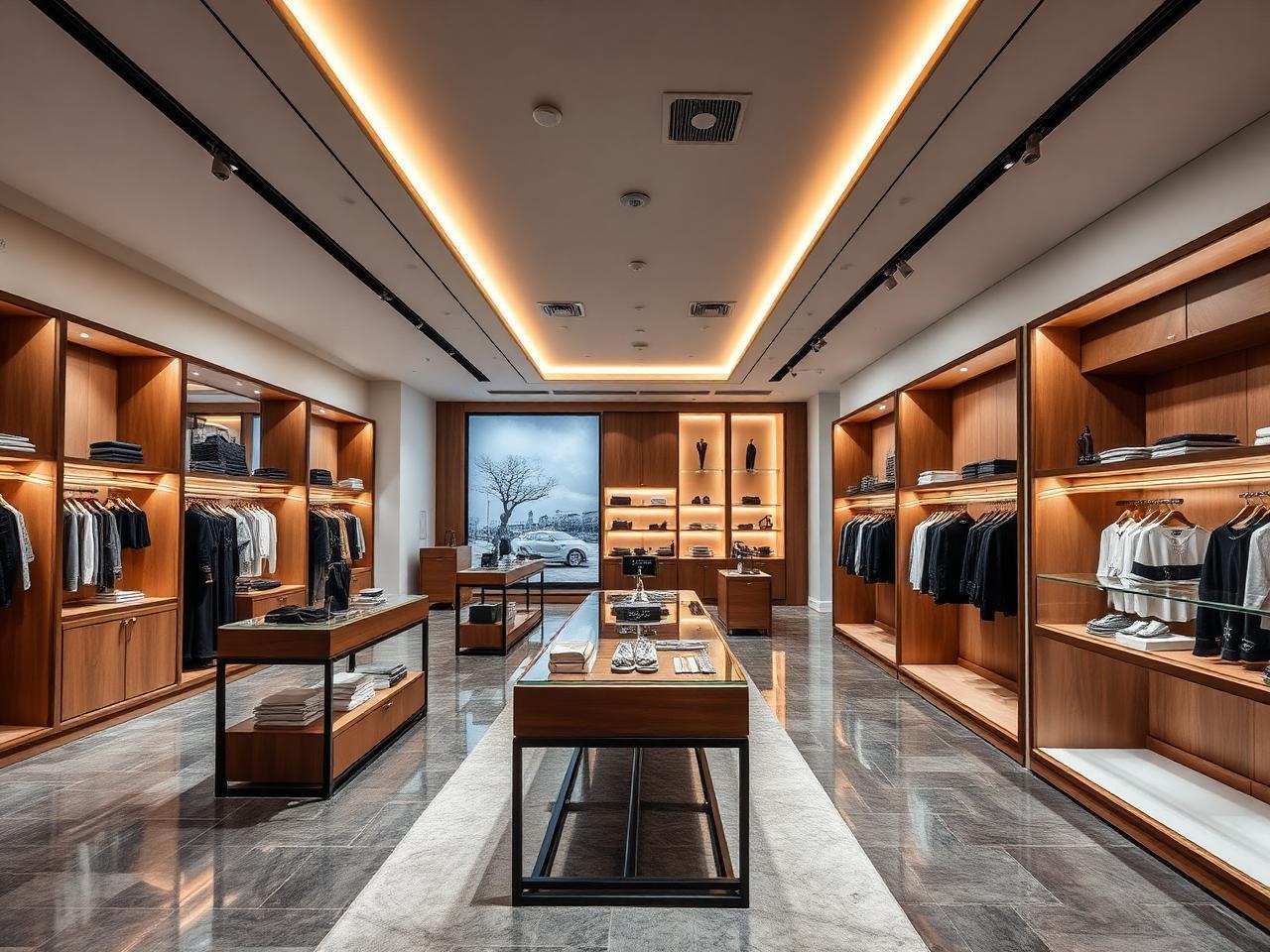
A showroom is more than a place to display products. Its interior design influences how customers explore products, understand a brand, and experience the business. Choosing the right showroom interior design company in Bangladesh can help create an attractive, organized, and functional space that supports customer engagement and sales.
From product display and lighting to furniture, branding, and space planning, a professional interior design company can help businesses develop showrooms that reflect their brand identity and meet their operational needs.
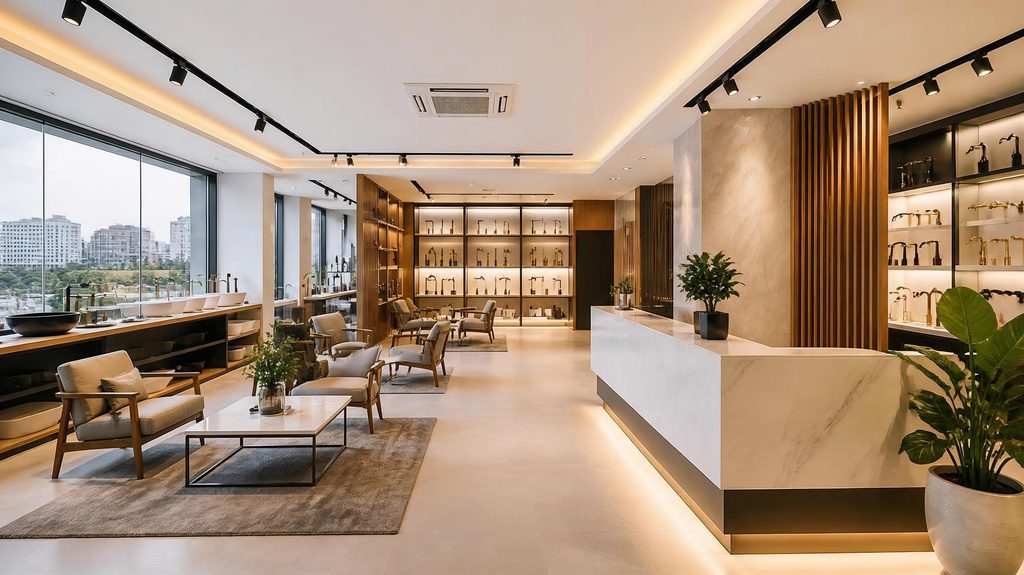
What Does a Showroom Interior Design Company Do?
A showroom interior design company plans and develops retail display environments according to the products, target customers, brand identity, available space, and budget. Depending on the project scope, services may include:
- Space planning and product display layout
- Interior concept development
- 2D drawings and 3D visualization
- Display shelves, racks, and custom furniture
- Lighting and ceiling design
- Flooring and wall finishes
- Reception and customer consultation areas
- Brand-focused interior features
- Material selection and interior execution
The exact services vary by company, so confirm whether the quotation covers design only or complete execution.
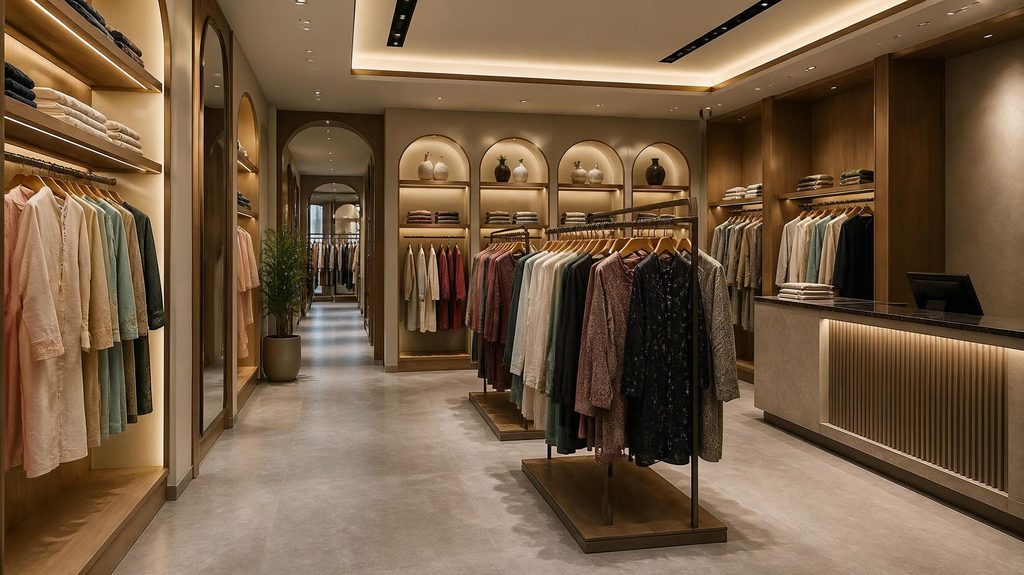
Types of Showroom Interior Design in Bangladesh
Different products require different display strategies and customer experiences.
Fashion and Clothing Showrooms: Need organized clothing displays, mirrors, fitting rooms, suitable lighting, and clear circulation.
Furniture Showrooms: Require spacious product arrangements, realistic lifestyle displays, and layouts that allow customers to examine furniture comfortably.
Electronics Showrooms: Benefit from well-organized product counters, demonstration areas, secure display units, and appropriate electrical planning.
Tiles and Sanitary Ware Showrooms: Need durable surfaces, organized product samples, clear product grouping, and suitable display lighting.
Automobile Showrooms: Require open layouts, strong visual presentation, appropriate lighting, and enough space for vehicle display and customer movement.
Jewellery and Luxury Showrooms: Often need premium display counters, controlled lighting, secure storage, and a refined customer experience.
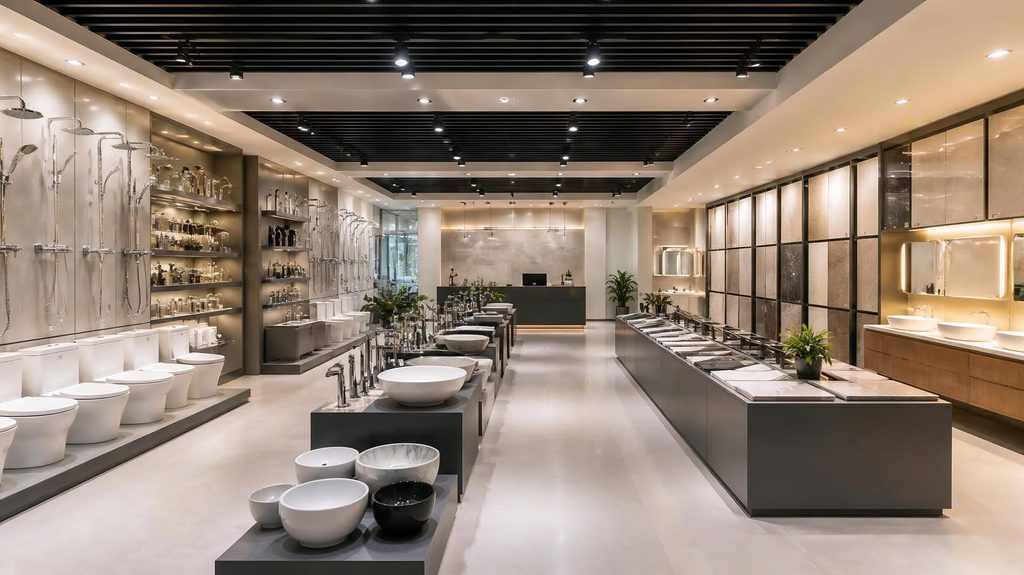
Key Elements of Effective Showroom Interior Design
A successful showroom should balance appearance with functionality.
- Space planning: Arrange displays and pathways so customers can move around comfortably.
- Product presentation: Position products for clear visibility and easy comparison.
- Lighting: Use appropriate ambient, accent, and task lighting to highlight products.
- Brand identity: Reflect the business through coordinated colours, materials, signage, and interior features.
- Customer experience: Include suitable consultation areas, counters, seating, or fitting spaces where needed.
- Storage: Keep stock, packaging, and operational supplies organized without cluttering display areas.
- Durability: Select materials that suit the expected foot traffic, maintenance needs, and business operations.
The best layout depends on the products being displayed and how customers are expected to interact with them.
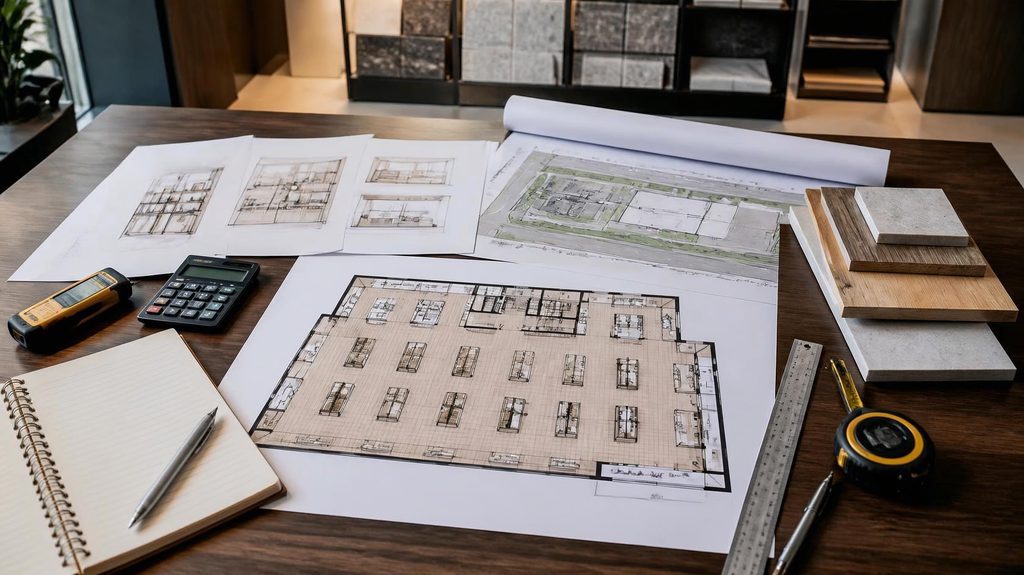
Showroom Interior Design Process
A professional showroom interior project generally follows these stages:
1. Consultation: Understand the business, products, target customers, brand identity, and budget.
2. Site Measurement: Assess the available space, existing conditions, and building services.
3. Space Planning: Develop the product display layout, customer circulation, storage, and service areas.
4. Design & 3D Visualization: Prepare the design concept, drawings, and 3D views where required.
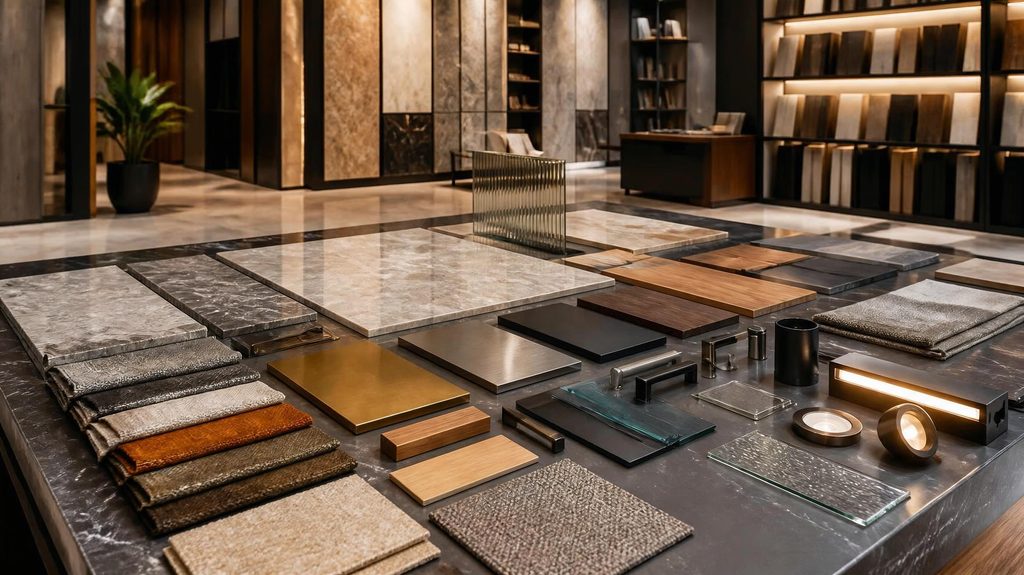
5. Material Selection: Finalize flooring, wall finishes, display systems, furniture, lighting, and other materials.
6. Execution: Implement the approved design, including carpentry, ceiling, electrical work, finishes, and installation within the agreed scope.
7. Final Inspection: Review the completed showroom and resolve outstanding issues before handover.
Showroom Interior Design Cost in Bangladesh
The cost of showroom interior design in Bangladesh depends on several factors:
- Total floor area
- Type and quantity of products
- Custom display units and furniture
- Lighting and electrical requirements
- Flooring, ceilings, and wall finishes
- Brand-specific design features
- Material quality
- Installation complexity and project timeline
A showroom with customized display systems or specialized lighting may require a different budget from a simple retail space. Request a detailed quotation or BOQ (Bill of Quantities) and confirm material specifications, work scope, exclusions, and installation costs before making a decision.
How to Choose the Right Showroom Interior Design Company in Bangladesh
Before hiring a company, consider these points:
- Review completed showroom and commercial interior projects.
- Check experience with your product category.
- Evaluate product display planning and customer circulation.
- Ask about materials, lighting, and custom furniture.
- Confirm whether design, supply, and execution are included.
- Request a detailed quotation and timeline.
- Discuss project supervision, payment terms, and handover.
A visually impressive showroom is valuable, but the design should also support product visibility, customer movement, maintenance, and daily business operations.
Common Showroom Interior Design Mistakes to Avoid
Avoid overcrowding the showroom with too many products or choosing decorative features that distract from the merchandise. Poor lighting, narrow pathways, insufficient storage, and inconsistent branding can also weaken the customer experience.
Another common mistake is starting execution without finalized drawings, material specifications, and a clear budget. Planning these details early can reduce confusion and unexpected costs during the project.
Final Thoughts
Choosing the right showroom interior design company in Bangladesh can help businesses create a space that presents products effectively and strengthens brand identity. Whether you are planning a fashion, furniture, electronics, tiles, jewellery, or automobile showroom, focus on practical space planning, display quality, lighting, durability, and professional execution.
A successful showroom should not only look attractive—it should help customers explore products comfortably while supporting the business’s everyday needs.

YOUR COMMENT