
Office interior design secrets are often closely guarded by leading companies, despite their significant impact on productivity and company culture. While many businesses showcase their stylish workspaces in magazines and social media, they rarely reveal the strategic thinking behind these designs.
Since 2015, we have been creating environments that define elegance, durability, and reliability. As specialists in office interior design in Bangladesh, we’ve observed how the most successful companies approach their workspaces differently. In fact, our experience has taught us that exceptional office design goes far beyond aesthetics.
We craft interiors that merge sophisticated aesthetics with enduring quality, built to last. However, the real secret lies in understanding both the visible and invisible elements that make an office space truly effective. Throughout this article, we’ll share what top companies don’t tell you about their design strategies – from the psychological factors that influence productivity to the cultural considerations that strengthen brand identity.
The visible elements top companies perfect

Image Source: Dezinespace
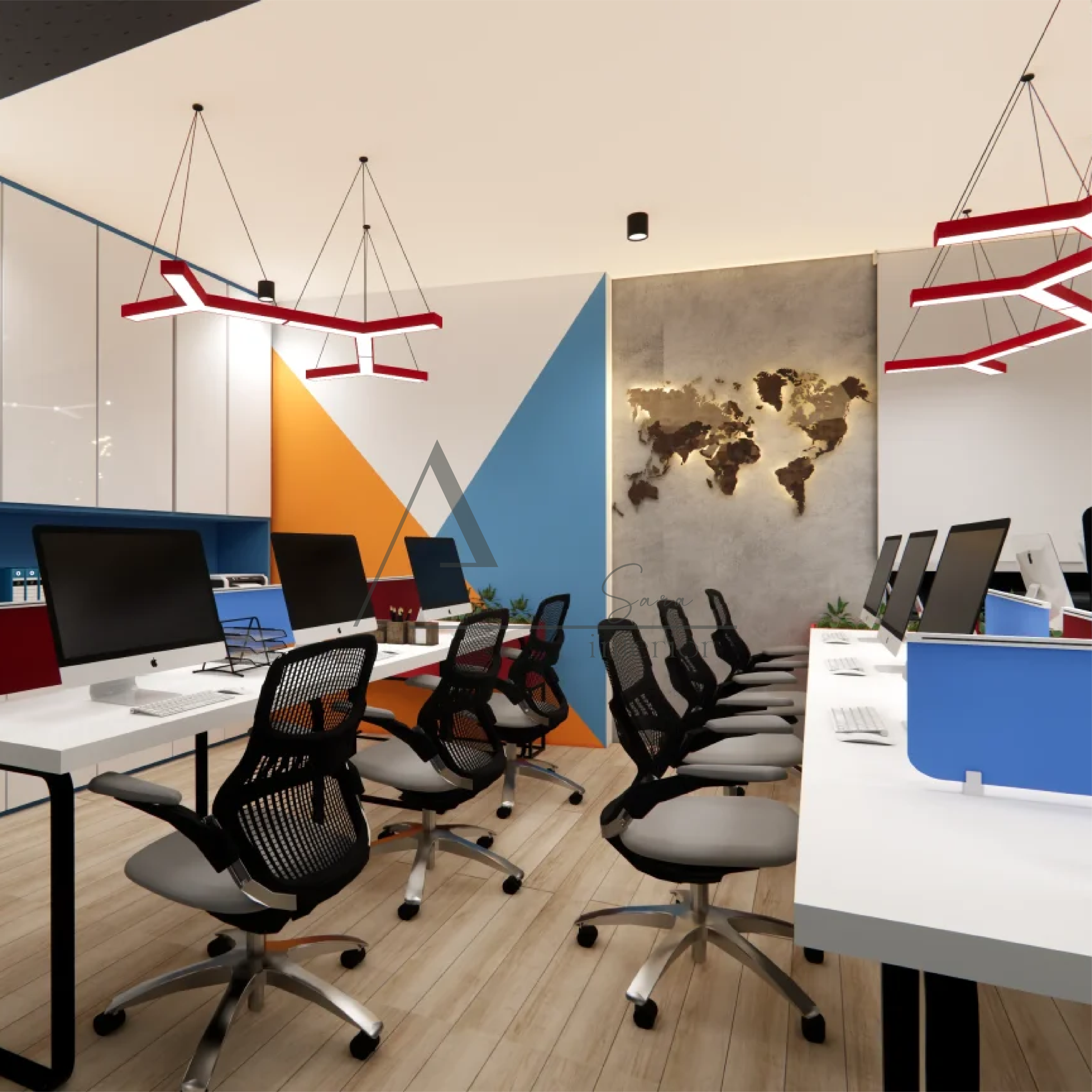
When you step into prestigious offices, certain visual elements immediately stand out. The thoughtful integration of these components creates spaces that not only look impressive but actively enhance productivity and well-being.
Strategic lighting forms the foundation of exceptional office spaces. Companies that understand workplace psychology maximize natural light exposure, positioning workstations within 6 meters of windows when possible. This approach significantly improves sleep patterns and overall health compared to windowless environments. Additionally, advanced LED task lighting with high Color Rendering Index values above 95 mimics natural daylight, supporting healthy circadian rhythms.
Color selection represents another critical visible element. Top-tier offices employ strategic color psychology—blues and greens promote focus and reduce eye strain, whereas yellows and oranges stimulate creativity and energy. For spaces requiring concentration, cool tones like Saybrook Sage or Palladian Blue create ideal environments.
Ergonomic furniture constitutes the third essential component. High-quality adjustable chairs, sit-stand desks, and supportive accessories significantly reduce fatigue while improving productivity.
Furthermore, biophilic design elements—incorporating plants and natural materials—have been shown to lower blood pressure and stress levels while enhancing cognitive function. This connection to nature transforms ordinary office spaces into vibrant, health-promoting environments.
The hidden planning behind great office design
Beyond the aesthetics that catch the eye, exceptional office spaces rely on strategic planning that remains largely invisible to visitors. This hidden architecture forms the foundation of truly productive workplaces.
Strategic spatial layout represents the cornerstone of effective office design. Top companies meticulously blend open workspaces with private offices and collaborative zones to support different work styles. Essentially, they’re creating “we-space” and “me-space” configurations that balance team connectivity with individual focus.
Acoustic design constitutes a crucial yet often overlooked element. With noise consistently ranking as the top complaint among office workers, leading organizations implement comprehensive sound management strategies including:
- Sound-absorbing materials like acoustic panels and carpeting
- Strategic placement of quiet zones for concentrated work
- Sound masking technology to ensure speech privacy
Smart storage solutions dramatically enhance functionality while reducing visual clutter. Effective storage systems enable employees to locate necessary documents quickly, reducing time wasted searching for items. Moreover, vertical storage units maximize available floor space for collaborative areas.
The most forward-thinking companies design for flexibility, incorporating modular furniture and adaptable spaces that evolve with changing business needs. This adaptability supports various work modes—from focused individual tasks to spontaneous collaboration—without requiring costly renovations.
Through thoughtful spatial planning, companies create environments where employees naturally interact, fostering innovation while preserving the quiet spaces essential for deep work.
Psychological and cultural factors in design
The human mind responds subconsciously to workspace environments in ways that savvy companies understand and leverage. Workplace design doesn’t just house your culture—it actively shapes and enhances it through daily interactions and experiences.
Your physical environment constantly sends signals about organizational values. Open floor plans with unobstructed sightlines suggest collaboration is valued, whereas private offices along windows with interior cubicles demonstrate hierarchy matters. Consequently, companies use these design elements strategically to reinforce desired behaviors.
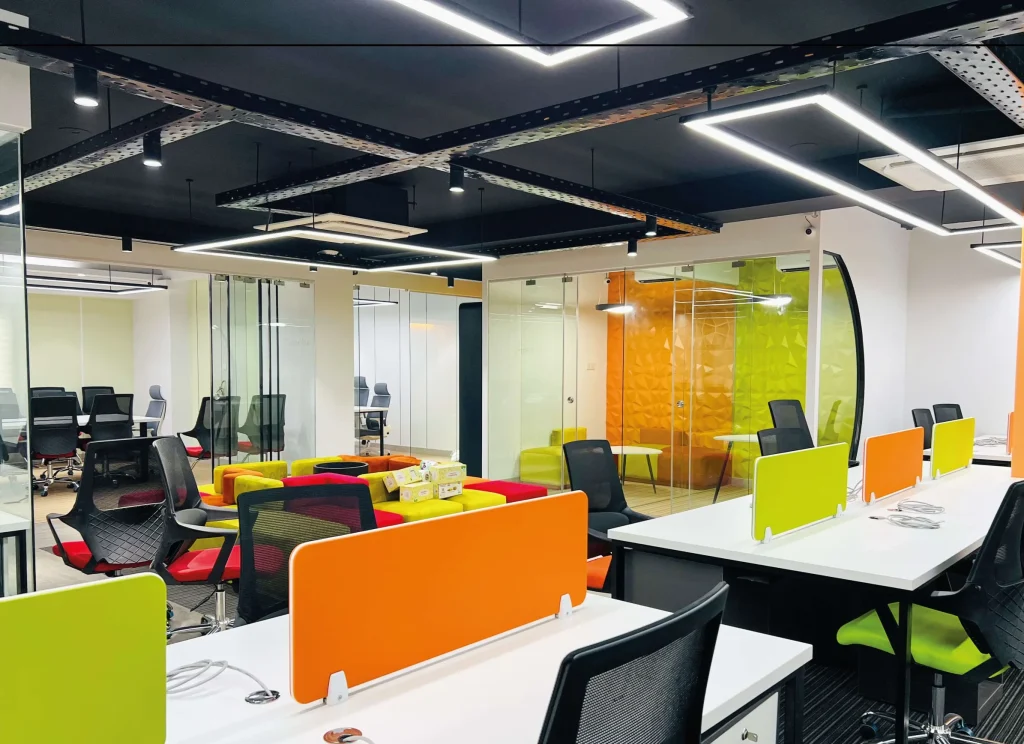
Colors significantly impact employee psychology, with blues and greens boosting calmness and creativity, while yellows and oranges encourage energy and enthusiasm. Indeed, modern offices increasingly prioritize vibrant color schemes over traditional dull tones to enhance mood and productivity.
Office layouts also need to accommodate different personality types. Introverts require quiet spaces with acoustic solutions as they’re more sensitive to external stimuli. Conversely, extraverts thrive in shared workstations that facilitate social interaction. Therefore, successful companies create both “we-space” and “me-space” configurations.
The rise of Activity Based Working (ABW) acknowledges these differences by offering diverse environments for various tasks. This approach provides employees greater control—comparable to what they experience at home—resulting in higher satisfaction.
Equally important, biophilic design incorporating plants and natural elements creates an inspiring work environment that enhances well-being and connects employees with nature, demonstrating a company’s commitment to employee health.
Conclusion
Office design fundamentally shapes how we work, think, and interact within our professional environments. Throughout this exploration, we’ve uncovered the strategic elements that distinguish exceptional workspaces from merely adequate ones. Certainly, the visible aspects—strategic lighting, purposeful color selection, ergonomic furniture, and biophilic elements—create immediate visual impact. Nevertheless, these represent only part of the equation.
Behind these visible features lies careful planning that addresses spatial layout, acoustic management, and adaptable configurations. These elements work together to create environments that support both collaborative and focused work. Additionally, the psychological considerations—how design affects different personality types and reinforces company values—play a crucial role in creating truly effective workspaces.
After all, great office design balances esthetic appeal with functional necessity while considering human psychology. The most successful companies understand this delicate balance, creating spaces that not only look impressive but actively support productivity, wellbeing, and company culture. Although these design secrets often remain unspoken, they consistently differentiate thriving workplaces from struggling ones.
We believe office design should reflect your unique organizational needs rather than simply following trends. Therefore, understanding these hidden principles empowers you to make informed decisions about your workspace. Whether planning a complete redesign or making smaller improvements, focusing on both visible and invisible elements will yield spaces that truly work for your team. The office environment you create today will shape your company culture and performance for years to come.

YOUR COMMENT