
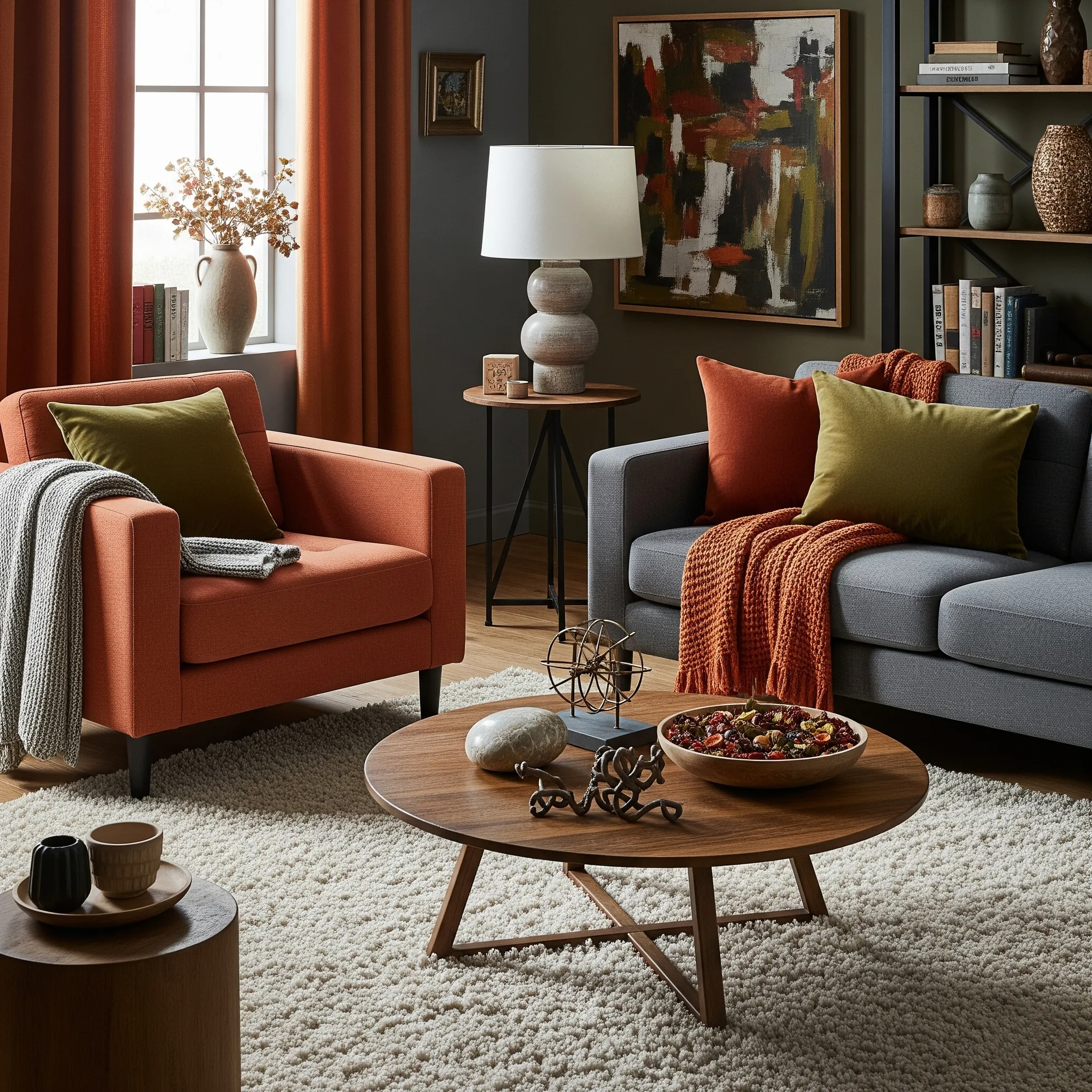
In today’s world, interior design is not just about making spaces look good. It’s crucial to design spaces that stimulate all five senses. Multi-sensory interior design changes homes, workplaces, and hotels into engaging experiences. It connects with people on a deeper emotional level.
Whether you are updating your home or designing a business space, using sight, sound, smell, touch, and taste can enhance your design. This approach can make your interiors not just beautiful, but truly unforgettable.
1. Sight — The Visual Heart of Interior Design
Sight has always been central to interior design, but multi-sensory spaces take it further.
- Color psychology: Cool blues promote calm, warm yellows energize, and earthy greens restore balance.
- Layered lighting: Use a mix of ambient, task, and accent lighting to create depth.
- Visual textures: Combine matte stone, glossy tiles, and natural fibers for visual intrigue.
💡 Design Tip: Incorporate biophilic design — plants, water features, and natural light — to create harmony and reduce stress.
2. Sound — Acoustic Interior Design Elements
Though sound is often underestimated in interior design, it has a huge impact on comfort. While it should also be remembered that Interior is all about comfort!
- Use acoustic panels to reduce noise in open-plan homes.
- Add indoor water features for gentle, relaxing background noise.
- Install discreet sound systems for curated playlists in living rooms or dining spaces.
💡 Design Tip: Soft furnishings like rugs, curtains, and upholstered furniture help absorb sound naturally.
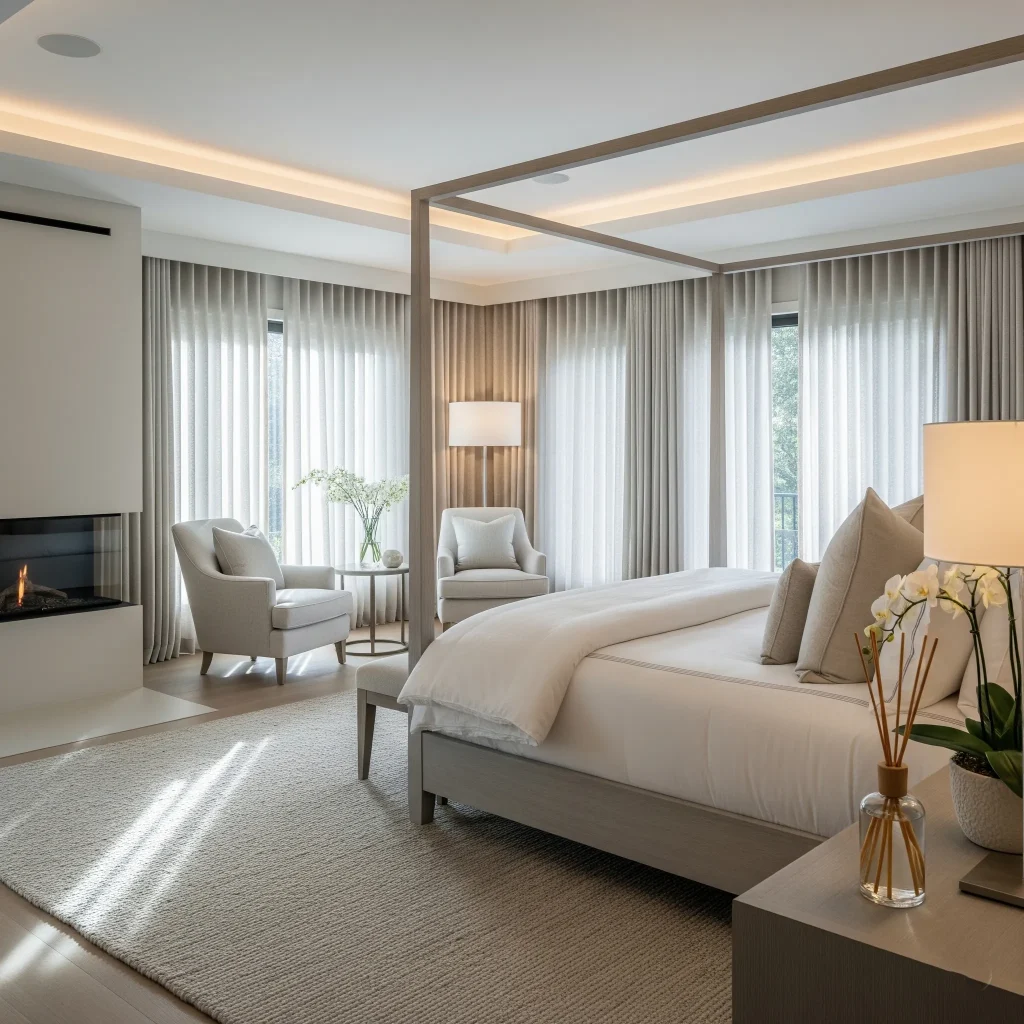
3. Smell — The Invisible Layer of Interior Design
Scent sets the mood of audiences instantly. In interior design, it’s a subtle but powerful tool.
- Use signature scents for different rooms — lavender for bedrooms, citrus for kitchens.
- Incorporate fresh flowers or indoor herb gardens.
- Avoid synthetic fragrances; opt for essential oils or natural candles.
💡 Design Tip: Scents can help define a room’s purpose. Use energizing smells for work areas and calming scents for relaxation spaces.
4. Touch — Textural Storytelling in Interior
Texture creates a physical connection between people and their environment.
- Mix smooth marble counters, rough brick walls, and soft velvet cushions.
- Use natural wood for warmth and metal accents for a modern edge.
- Add tactile fabrics like linen or wool for comfort and depth.
💡 Design Tip: Balance hard and soft textures to keep spaces both inviting and functional.
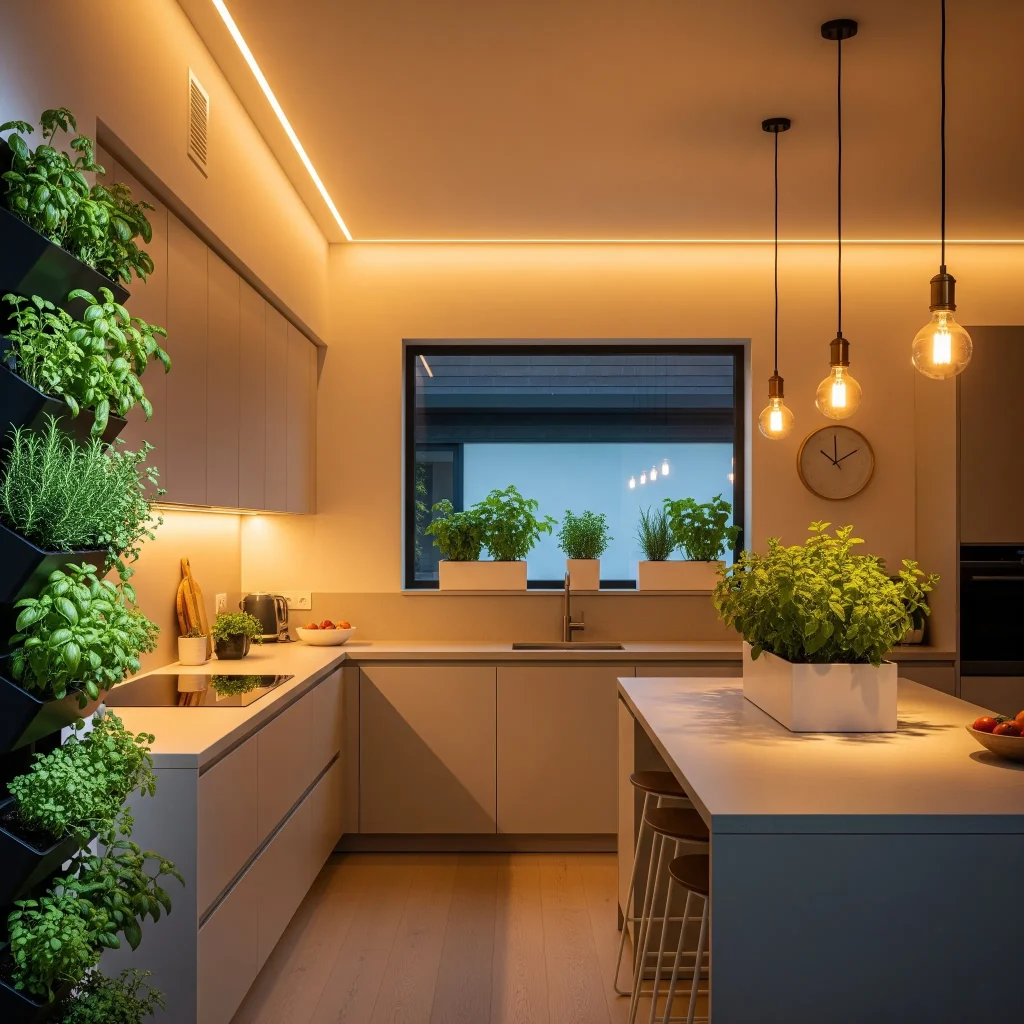
5. Taste — Flavorful Interior Design for Dining Spaces
Taste is an emerging element in interior design, especially in kitchens, dining rooms, and hospitality projects.
- Create coffee bars, wine walls, or tea corners.
- Design open kitchens where cooking becomes part of the sensory experience.
- Integrate edible plants like basil, mint, or strawberries into the décor.
💡 Design Tip: Match the colors and lighting in your dining area to the food you serve. Use warm tones for cozy comfort food. Use cooler shades for fresh, modern meals.
The Future of Multi-Sensory Interior Design
Multi-sensory interior design goes beyond looks — it’s about living in 360 degrees. We might expect to see:
- AI-powered lighting that adapts to mood and time of day.
- Smart scent-release systems in homes and offices.
- Sound-responsive walls for immersive environments.
Interior designers use all five senses to create spaces that people remember. These spaces are memorable not just for their appearance, but also for how they make us feel.
Final Word
Incorporating all five senses into interior design transforms spaces into powerful experiences. Interiors engaging multiple senses leave lasting impacts and enhance wellness. They include the warmth of wood, the calming scent of lavender, and the gentle sound of water.
If you are planning your next interior design project, think about going beyond just what you see. Explore the world of sensory living.

YOUR COMMENT