

When planning your home interiors, it’s easy to focus on walls, furniture, and flooring, while the ceiling quietly fades into the background. But the truth is, the ceiling is your room’s “fifth wall,” and a thoughtful interior ceiling design can elevate both comfort and style. If you’re choosing between a false ceiling and a traditional ceiling, it’s worth understanding how each option meets everyday needs.

Understanding the Basics: Function Meets Style
A false ceiling (or drop ceiling) is a secondary layer installed below the original ceiling. It’s often made of materials like gypsum, Plaster of Paris (POP), or PVC. This type of ceiling serves multiple purposes beyond just looking.
It helps hide messy wiring, enhances insulation (keeping your rooms cooler), and allows for smart lighting options like LED strips or recessed lights. If you’re someone who values a clutter-free, modern look with flexible lighting arrangements, a false ceiling can truly transform your space.
On the other hand, a traditional ceiling is the structural ceiling, typically made of concrete or wood. It’s straightforward, durable, and requires minimal upkeep. If you’re building on a budget or prefer a more classic, open look with higher ceilings, the traditional design makes practical sense. It’s especially effective in humid areas where low-maintenance materials are crucial.

Choosing Based on Real-Life Needs
Your lifestyle plays a major role in this decision. Do you need better acoustic control for a peaceful living room or home office? A false ceiling can help. Want to install mood lighting in your bedroom or media room? Again, false ceilings win. But if you prefer a low-maintenance home or want to avoid reducing room height, traditional ceilings offer simplicity and longevity.
In the end, your ceiling isn’t just overhead—it frames your daily experience. The right interior ceiling design should blend beauty with functionality, making your space more livable, comfortable, and tailored to your needs.
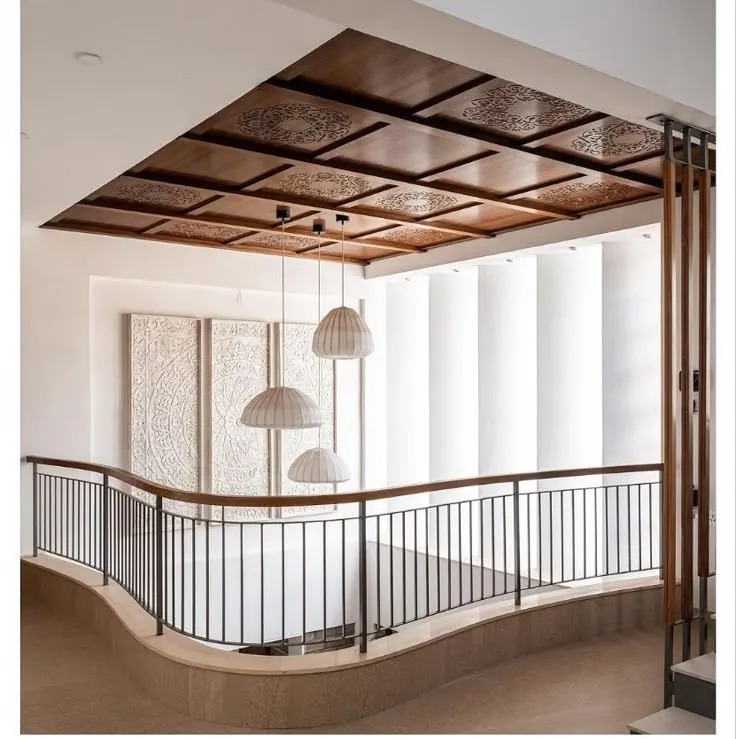
An Example of Interior Ceiling Design

YOUR COMMENT