
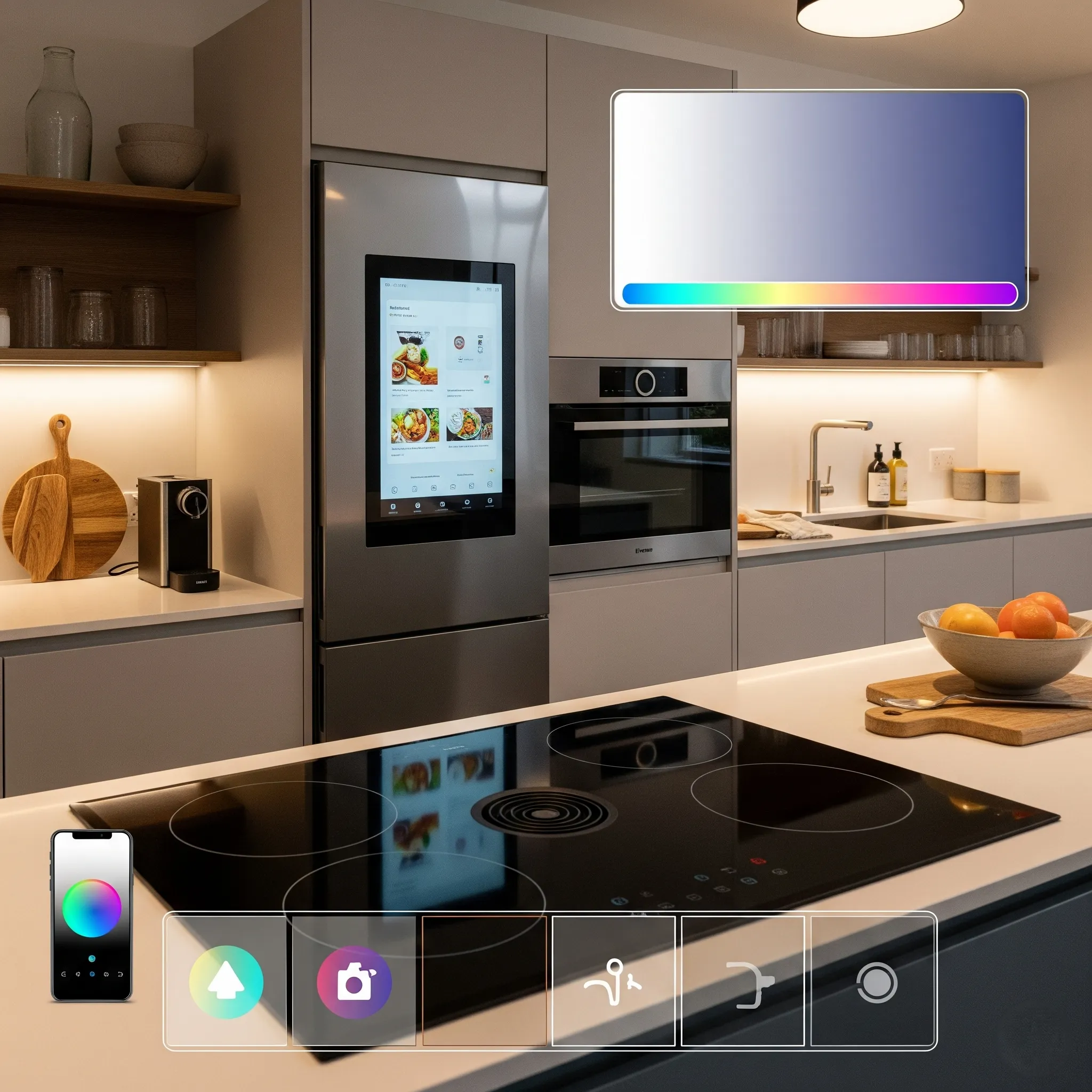
Energy-efficient design is no longer just about saving on utility bills—it’s about creating healthier, smarter spaces. Whether you’re updating your home or planning a new office layout, integrating interior design with energy efficiency can transform your space into a stylish, sustainable haven.
Energy-efficient design has evolved significantly over the years, transcending its initial focus on merely reducing utility bills. Today, it encompasses a broader vision that prioritizes the creation of healthier, smarter, and more sustainable environments. This change in view shows that the places we live in greatly affect our well-being, productivity, and quality of life.
Maximize Natural Light
In both homes and offices, strategic interior design can optimize daylight. Use open floor plans, glass partitions, and reflective surfaces to let sunlight flow through. This reduces reliance on artificial lighting, improving mood and cutting electricity use.

interior design: Smart Window Treatments and Insulation
Interior design plays a key role in insulation. Layer your windows with thermal curtains, cellular shades, or insulated blinds. These elements enhance comfort and help regulate indoor temperatures without sacrificing style.
LED Lighting and Smart Controls
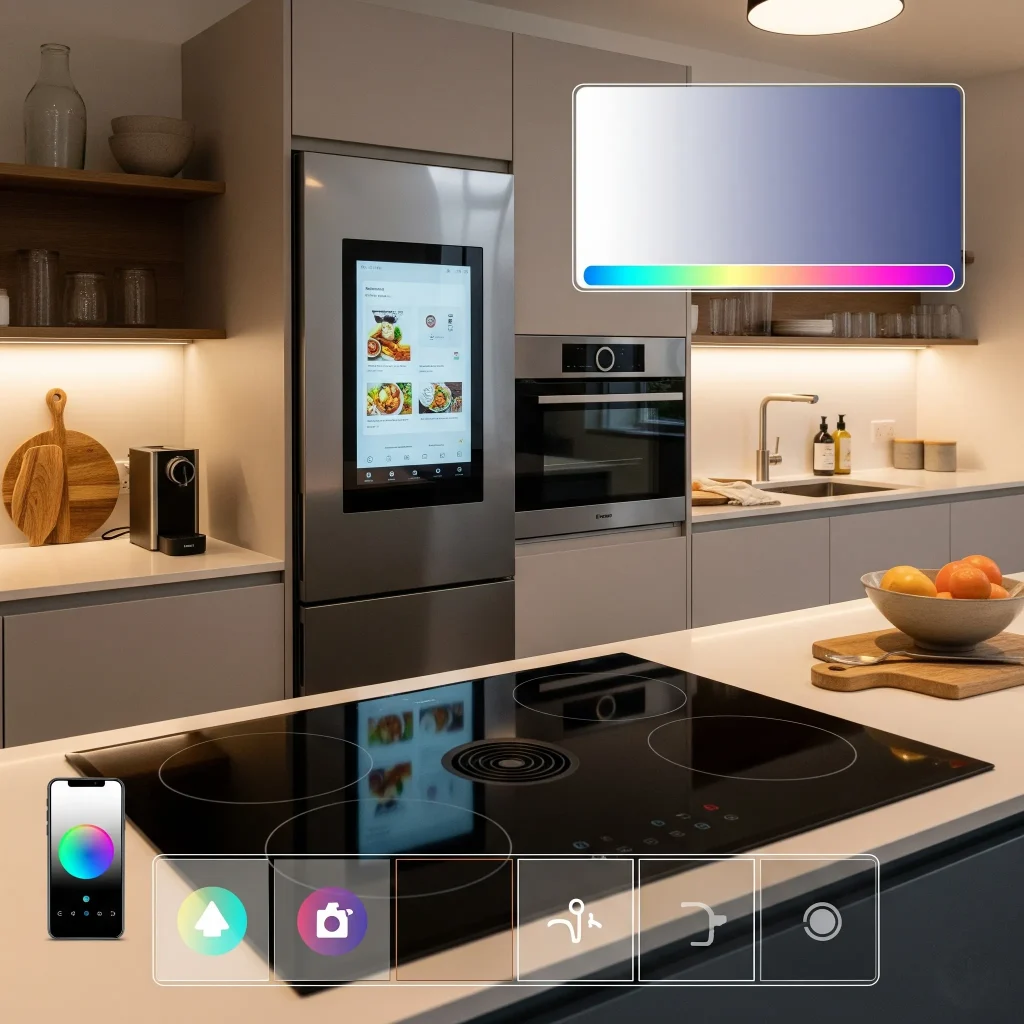
Lighting design is essential in energy-efficient interiors. Swap out incandescent bulbs for LEDs, which consume up to 80% less energy. Install motion sensors, timers, or dimmer switches to maintain ambiance while managing consumption.
interior design : Sustainable Materials
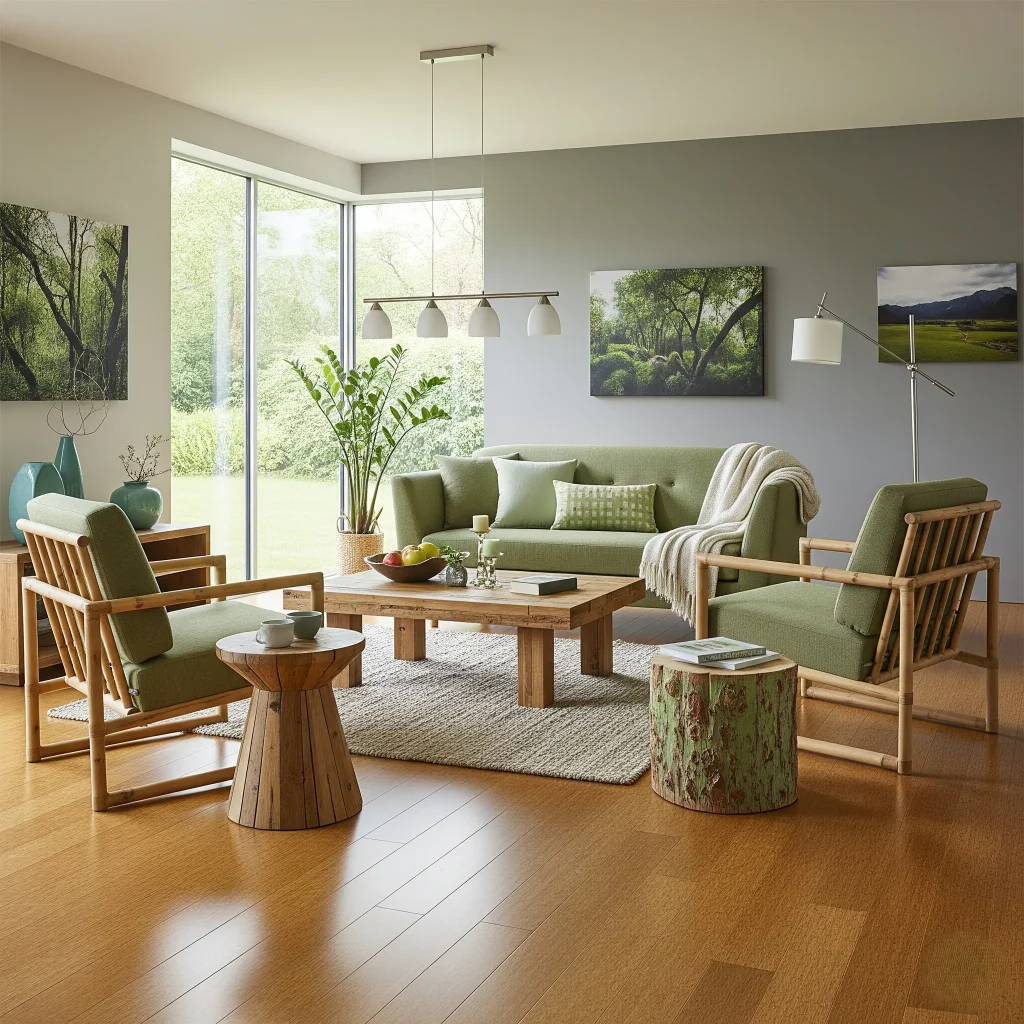
Choose furniture and finishes made from recycled, reclaimed, or low-impact materials. Bamboo flooring, low-VOC paint, and eco-friendly fabrics make a stylish statement while supporting sustainability.
Efficient Appliances and HVAC Integration
Modern interior design seamlessly incorporates energy-saving HVAC systems and appliances. Opt for Energy Star-rated devices and use smart thermostats to automate climate control while maintaining a clean, uncluttered look.
Biophilic Elements and Green Spaces
Introduce plants and green features like living walls or indoor planters to enhance air quality and reduce HVAC load. These elements not only beautify your space but also create a calming, wellness-focused environment.
Conclusion
A well-designed interior is more than just beautiful—it’s efficient and sustainable. By integrating energy-efficient principles into your interior design, you create smart, stylish spaces that are as good for your lifestyle as they are for the planet.

YOUR COMMENT