
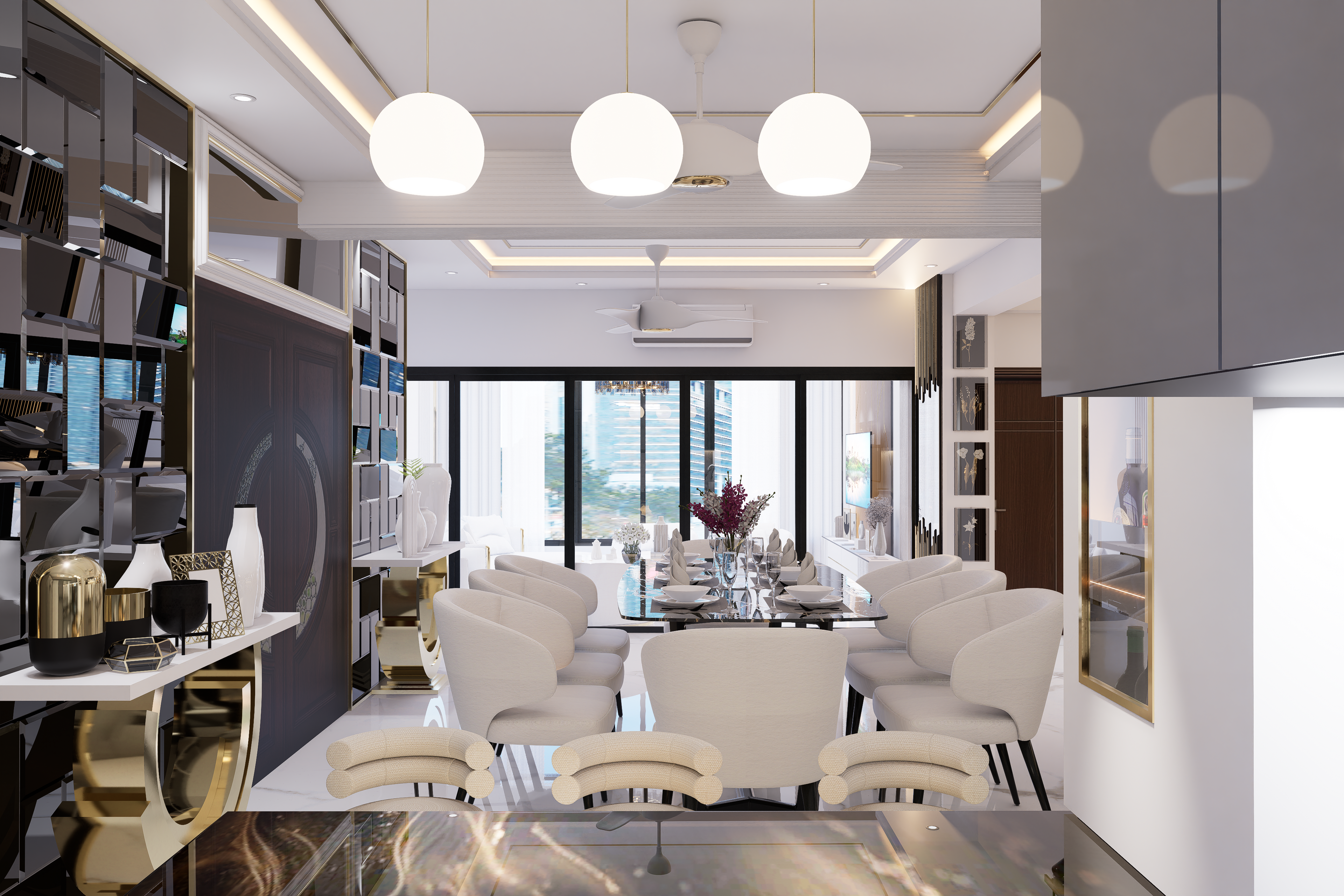
Effective project planning is a fundamental step in any successful construction or development project. It ensures that all aspects of design, environmental impact, functionality, and orientation are carefully considered before execution. Proper planning helps optimize resources, reduce costs, and improve efficiency, leading to a more sustainable and practical outcome. Without a well-thought-out plan, projects can face delays, increased expenses, and functional inefficiencies.
Architectural planning
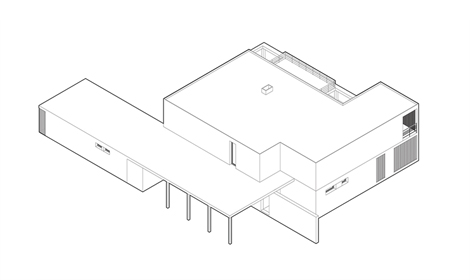
Architectural planning involves designing the structure while focusing on aesthetics, durability, and compliance with regulations. It includes determining the shape, size, and materials used in construction. Architects ensure that the design is visually appealing while maintaining structural integrity and safety. This phase also considers zoning laws, fire safety regulations, and accessibility requirements. A well-planned architectural design not only enhances the visual appeal of a building but also improves functionality and longevity.
Planning the environment
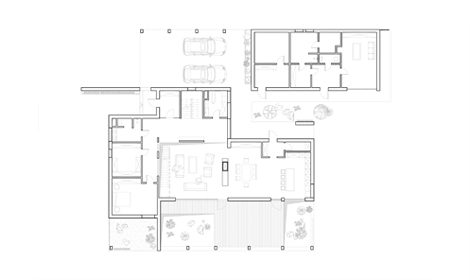
Environmental planning ensures that the project integrates seamlessly with its surroundings while minimizing negative impacts. This involves studying the topography, climate, and existing natural resources to create a design that works in harmony with nature. Sustainable elements such as rainwater harvesting, green roofs, and renewable energy sources can be incorporated to enhance efficiency and reduce carbon footprints.
Moreover, proper environmental planning helps in controlling pollution, preserving biodiversity, and preventing soil erosion. For example, urban developments with ample green spaces improve air quality and provide healthier environments for residents. Similarly, projects near water bodies must consider proper drainage and flood prevention techniques to avoid damage. Thoughtful environmental planning not only protects ecosystems but also contributes to creating healthier, more resilient communities.
Functionality
Functionality ensures that the design meets the practical needs of its users. Spaces should be well-organized, accessible, and suitable for their intended purposes. This includes efficient room layouts, appropriate lighting, and ease of movement. A functional design enhances productivity, comfort, and convenience for the occupants, making the space more livable and user-friendly.
Orientation
Orientation refers to the positioning of a building to optimize natural elements such as sunlight, wind, and ventilation. Proper orientation enhances energy efficiency by reducing heating and cooling costs, improving indoor comfort, and maximizing daylight. For example, in colder regions, buildings can be oriented to capture maximum sunlight, while in hotter climates, designs can incorporate shading techniques to reduce heat absorption.
