

Interior design isn’t just about what looks good — it’s about what feels right. The best-designed spaces don’t just please the eye. They stimulate all five senses. These spaces wrap you in an experience. The experience is comforting, energizing, or inspiring. This is the power of multi-sensory interior design — an approach that transforms a room into a living, breathing experience.
Interior Design – Why Senses Matters
Think about the last space that truly moved you. Chances are, it wasn’t just the color of the walls or the furniture style. It was how everything made you feel. Multi-sensory design taps into emotions, memory, and physical comfort, creating interiors that leave lasting impressions.
1. Sight: The First Impression
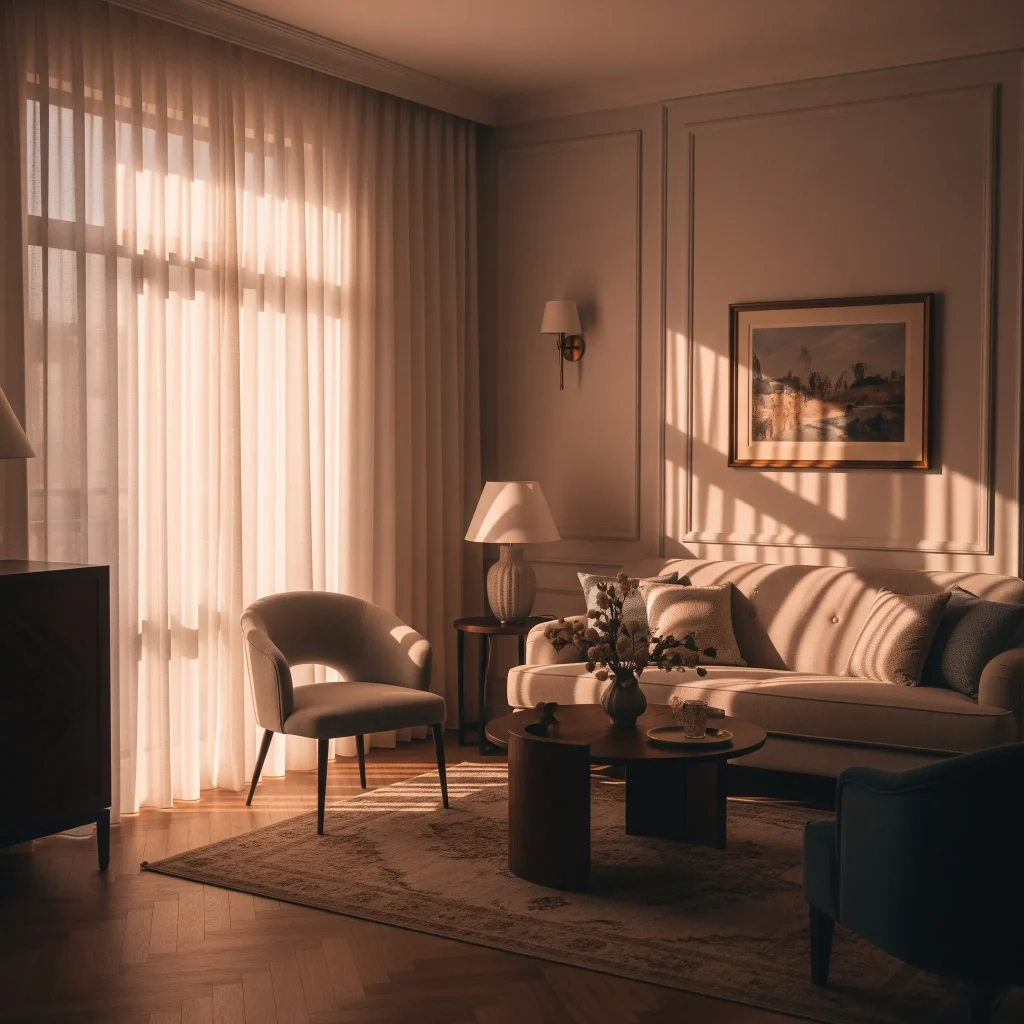
Sight may be the first sense we associate with interiors, but it’s more than just color palettes. Think of:
- Natural light dancing through sheer curtains
- Statement lighting creating drama or warmth
- Harmonious color schemes that evoke emotion — calming blues, cozy earth tones, or vibrant, energizing hues
Use visual contrast, symmetry, and focal points to guide the eye and tell a story.
2. Sound: The Invisible Layer
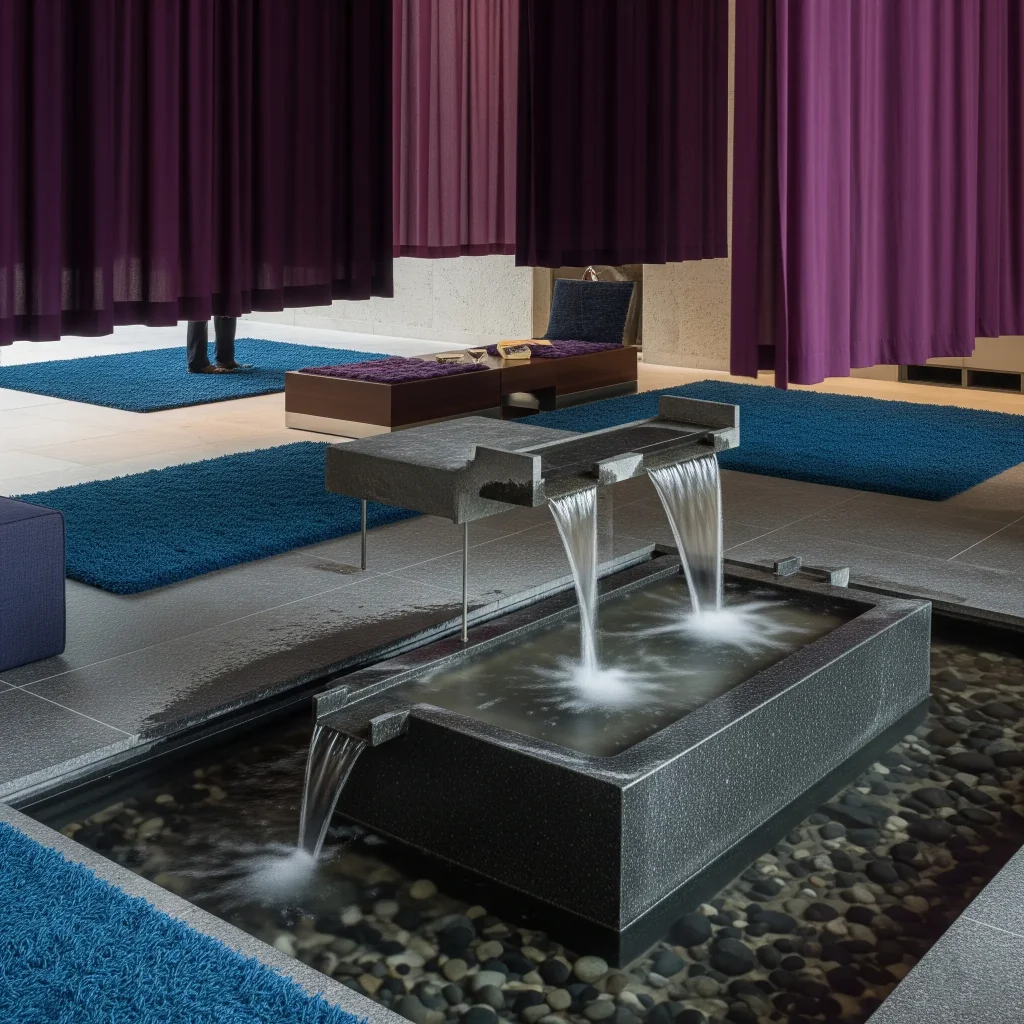
Sound can soothe or stimulate — it changes how a space feels in subtle ways.
- Add a water feature for serenity
- Use plush rugs and fabric panels to absorb echo and quiet a room
- Consider soft background music or even nature sounds to elevate mood
Designing for acoustics is especially powerful in open-plan homes and workspace.
3. Touch: Texture Tells the Story in Interior design
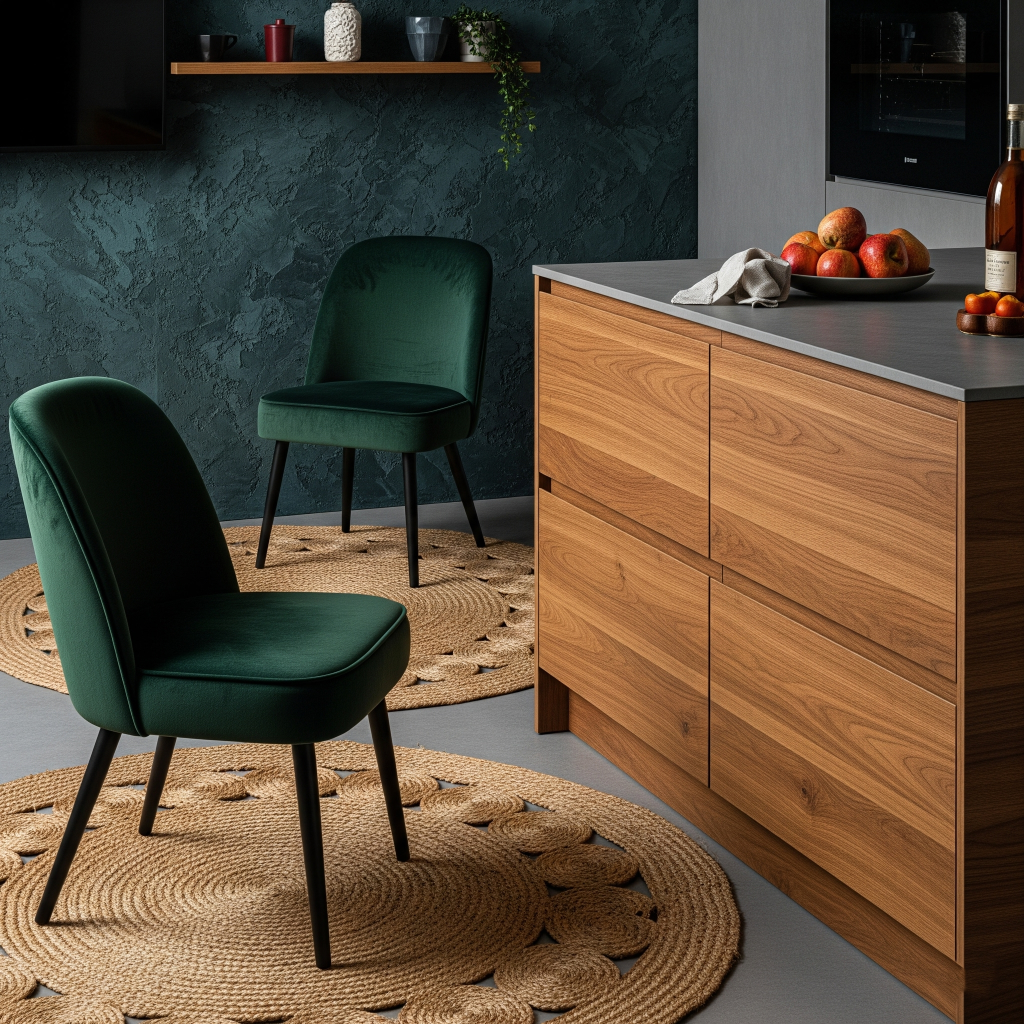
A room should invite you to reach out and feel. Layer a mix of tactile materials:
- Rough jute rugs under soft velvet chairs
- Cool stone counters paired with warm wooden cabinetry
- Chunky knits, smooth ceramics, and soft leather
Texture creates intimacy and dimension — it’s where design becomes tangible.
4. Smell: The Emotional Trigger
Scent is closely tied to memory. Infuse your space with intentional aromas:
- Lavender or sandalwood for bedrooms
- Citrus or eucalyptus for kitchens and living areas
- Fresh plants, candles, or diffuses can subtly transform a room’s energy
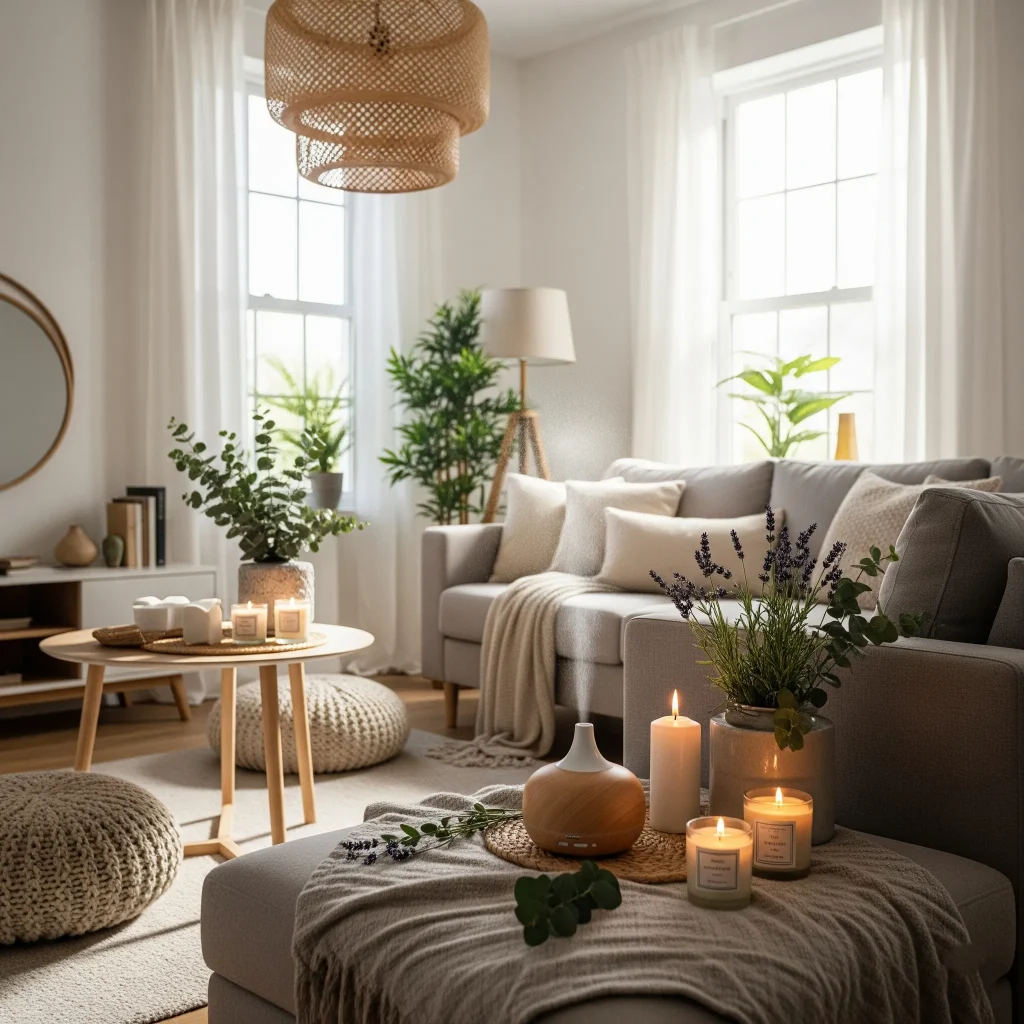
A space that smells good instantly feels more inviting and entire.
5. Taste: Designing for Experience
While less obvious, taste comes into play in social and hospitality spaces.
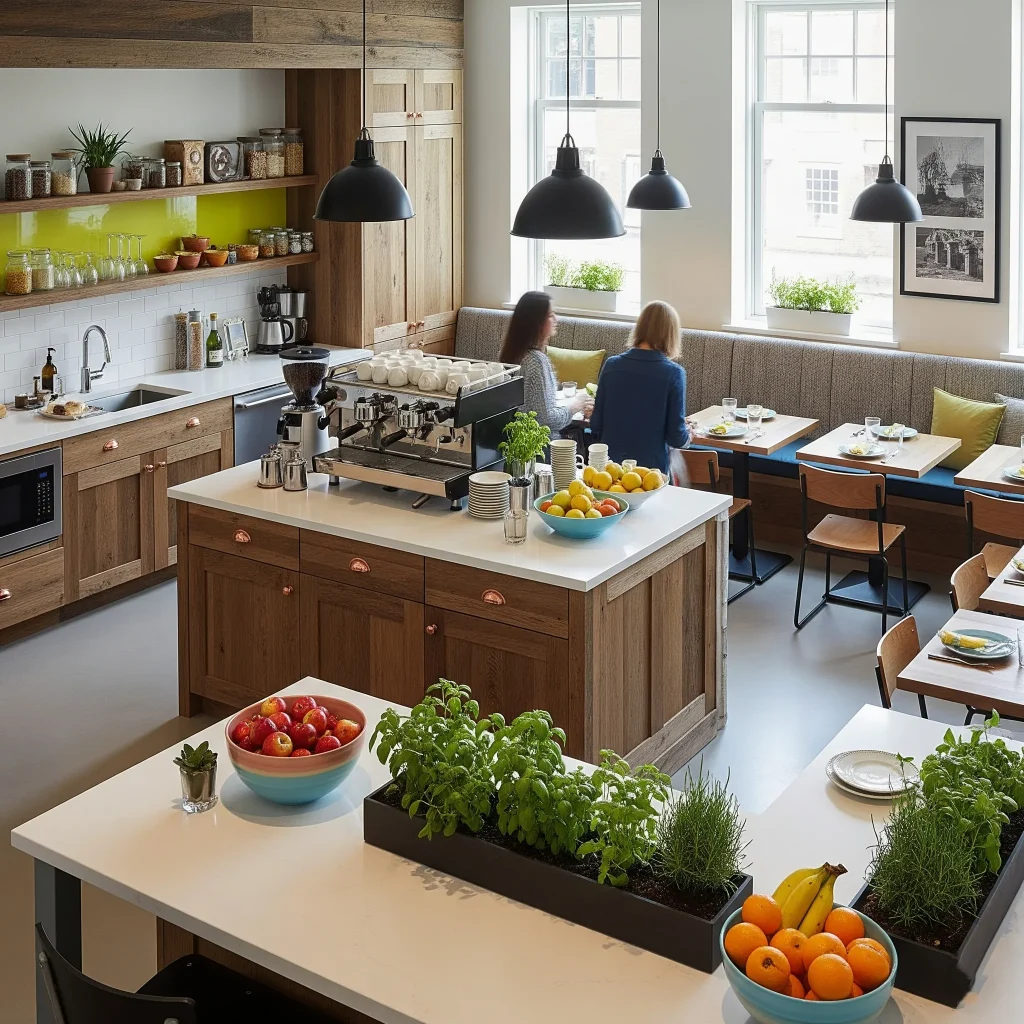
- Design open kitchens or coffee corners that invite sharing
- Add herb gardens or bowls of fruit to make food part of the decor
- Use materials and lighting that enhance how food and drink are perceived
Final Thoughts
Multi-sensory design is more than a trend — it’s a philosophy. When you design for the senses, you create not just a room, but a living experience. Every material, scent, sound, and texture becomes part of the story your space tells. And that’s what makes it unforgettable.

YOUR COMMENT