
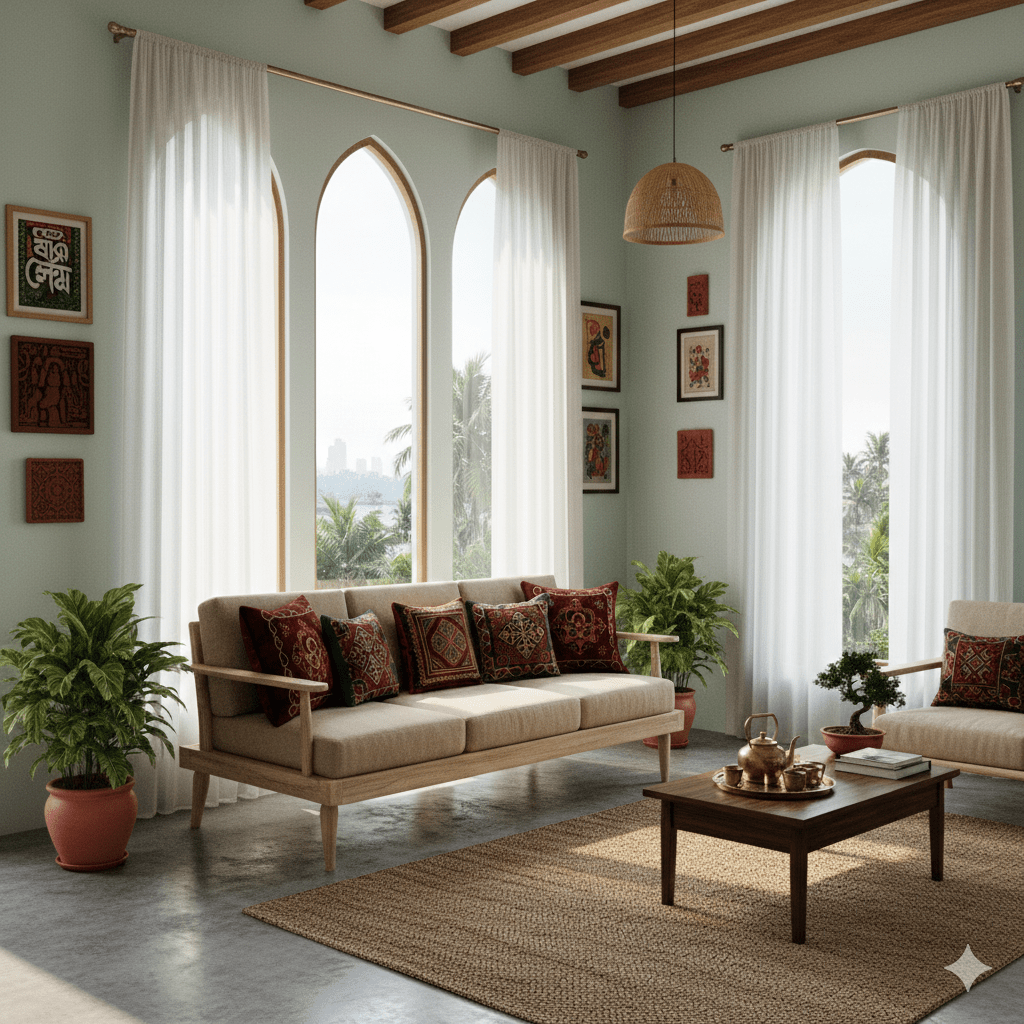
In recent years, Interior Design in Bangladesh has evolved far beyond aesthetics. It now influences how people live, work, relax, and even think. From compact city apartments in Dhaka to modern corporate offices and cozy cafés, interior design is becoming a silent yet powerful force that affects daily life across the country.
As urban living grows denser and lifestyles change rapidly, the role of interior design has shifted from luxury to necessity—impacting comfort, productivity, mental well-being, and cultural expression.
The Growing Importance of Interior Design in Bangladesh
Bangladesh is experiencing rapid urbanization. With limited living space and increasing population density, especially in major cities, interior design has become essential for creating functional, breathable environments.
Interior Design in Bangladesh focuses heavily on space optimization. Smart layouts, multipurpose furniture, and efficient storage solutions help families make the most of small apartments. A well-designed home reduces clutter, improves movement, and creates a sense of calm—something that directly affects your mood and daily routine.
How Interior Design Affects Your Mental Well-Being
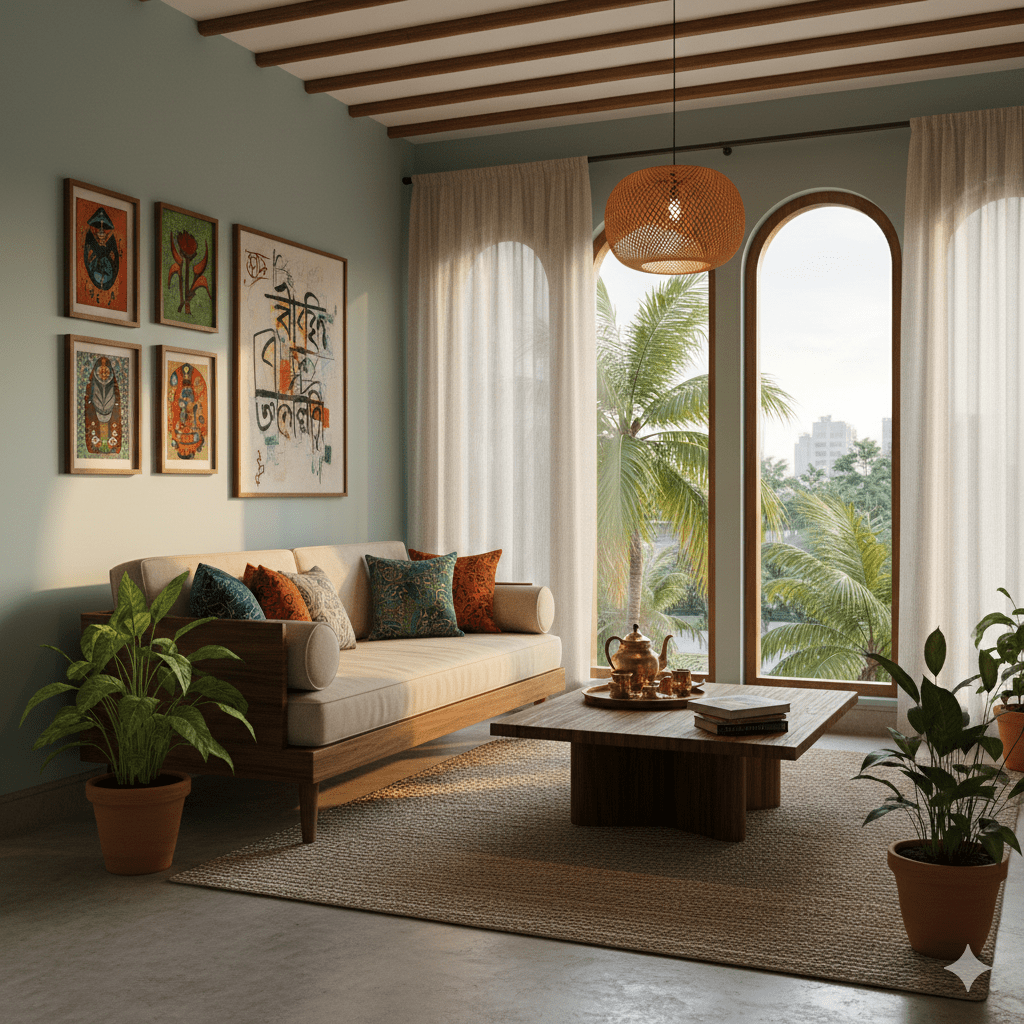
Your surroundings influence how you feel, whether you realize it or not. Proper lighting, color selection, and spatial balance can reduce stress and increase comfort. In Bangladesh’s busy urban lifestyle, a thoughtfully designed interior can act as a personal retreat.
Designers now prioritize:
- Natural light and ventilation
- Soothing color palettes
- Green elements like indoor plants
These elements, widely used in Interior Design in Bangladesh, help create healthier living environments that support emotional balance and mental clarity.
Workspaces and Productivity: A Silent Game-Changer
With the rise of corporate culture, startups, and remote work, office and home-office design has gained massive importance. Poorly designed workspaces can cause fatigue, lack of focus, and even physical discomfort.
Modern Interior Design in Bangladesh integrates ergonomic furniture, acoustic planning, and intelligent layouts to boost productivity. Well-designed offices promote collaboration, creativity, and efficiency—directly impacting professional performance and business success.
Cultural Identity Reflected Through Design
One of the most beautiful aspects of interior design in Bangladesh is how it blends modern trends with cultural heritage. Traditional elements like wooden textures, handcrafted décor, jute materials, and local art are now being fused with contemporary styles.
This fusion allows people to stay connected to their roots while enjoying modern comforts. Interior Design in Bangladesh doesn’t just create spaces—it tells stories of tradition, identity, and lifestyle evolution.
Interior Design’s Impact on Lifestyle and Daily Habits
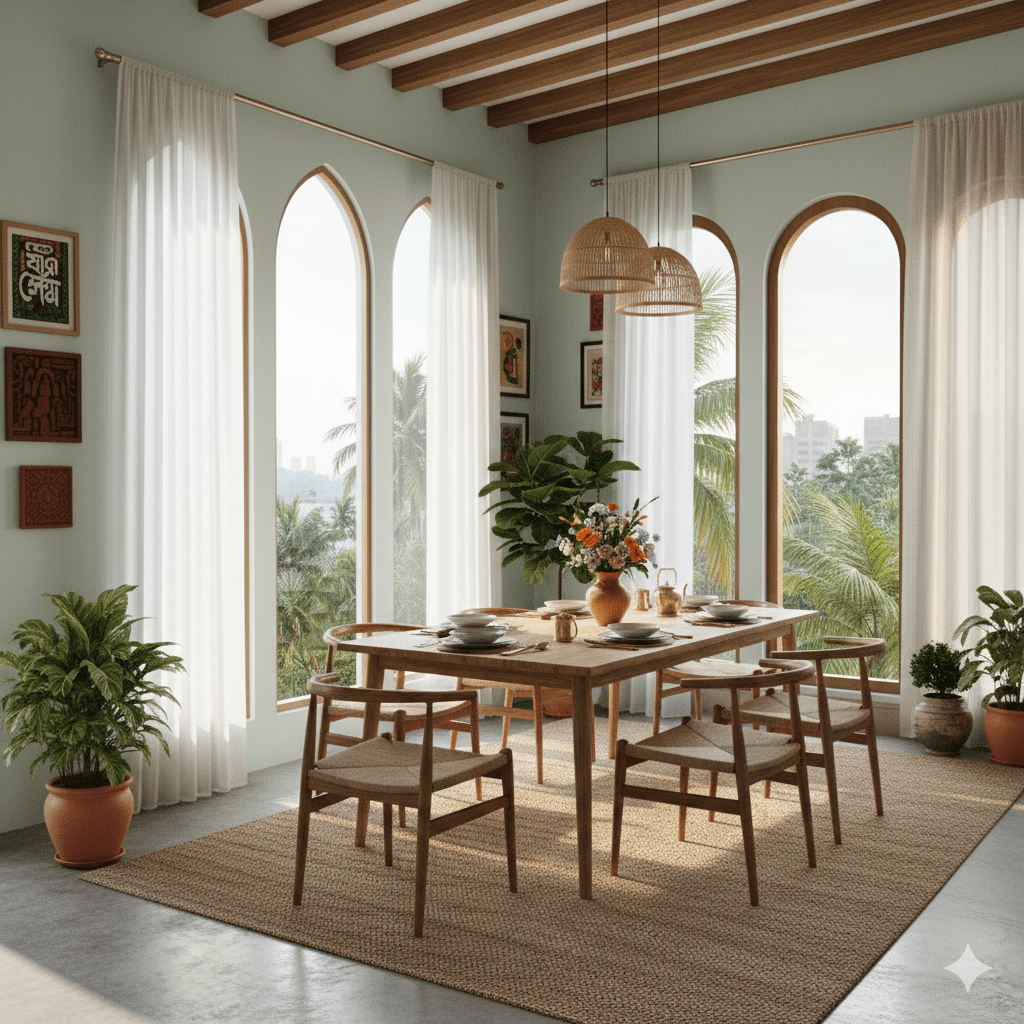
Design influences how you use your space. A well-planned kitchen encourages healthier cooking habits. A calm bedroom improves sleep quality. A welcoming living room strengthens family bonding.
Through intelligent zoning and layout planning, Interior Design in Bangladesh shapes daily behavior, routines, and interactions—often without people consciously noticing it.
Sustainability and Smart Living
Sustainability is becoming an increasingly important focus in modern Bangladeshi interior design as homeowners grow more conscious of both environmental impact and long-term living costs. With rising energy demands and climate concerns, designers are now prioritizing solutions that balance comfort, efficiency, and responsibility. Energy-efficient lighting systems such as LED fixtures and motion-sensor lights are widely used to reduce electricity consumption while maintaining proper illumination throughout the home.
Eco-friendly materials are also playing a major role in this transformation. Locally sourced wood, recycled materials, low-VOC paints, jute, bamboo, and natural fabrics are being integrated into interior spaces to minimize environmental harm and improve indoor air quality. These materials not only support sustainability but also reflect the natural and cultural identity of the region. In Interior Design in Bangladesh, this approach helps create healthier homes while supporting local craftsmanship and sustainable production methods.
Smart home technologies further enhance sustainable living by allowing better control over energy use. Automated lighting, smart thermostats, and efficient appliance systems help homeowners monitor and reduce unnecessary energy consumption. By combining technology with thoughtful design planning, modern interiors are becoming more adaptable and resource-efficient.
Through these sustainable practices, Interior Design in Bangladesh contributes not only to personal comfort and cost savings but also to a broader commitment to environmental responsibility. Thoughtfully designed spaces now play a key role in promoting greener lifestyles, making sustainability an essential part of contemporary living in Bangladesh.
Final Thoughts
Interior design is no longer just about decoration—it’s about how spaces support your life. From mental well-being and productivity to cultural expression and sustainability, the influence is profound.
As cities expand and lifestyles evolve, Interior Design in Bangladesh will continue to shape how people live, feel, and connect with their surroundings. Investing in thoughtful design is ultimately an investment in a better quality of life.

YOUR COMMENT