
Choose Sustainable and Long-Lasting Materials
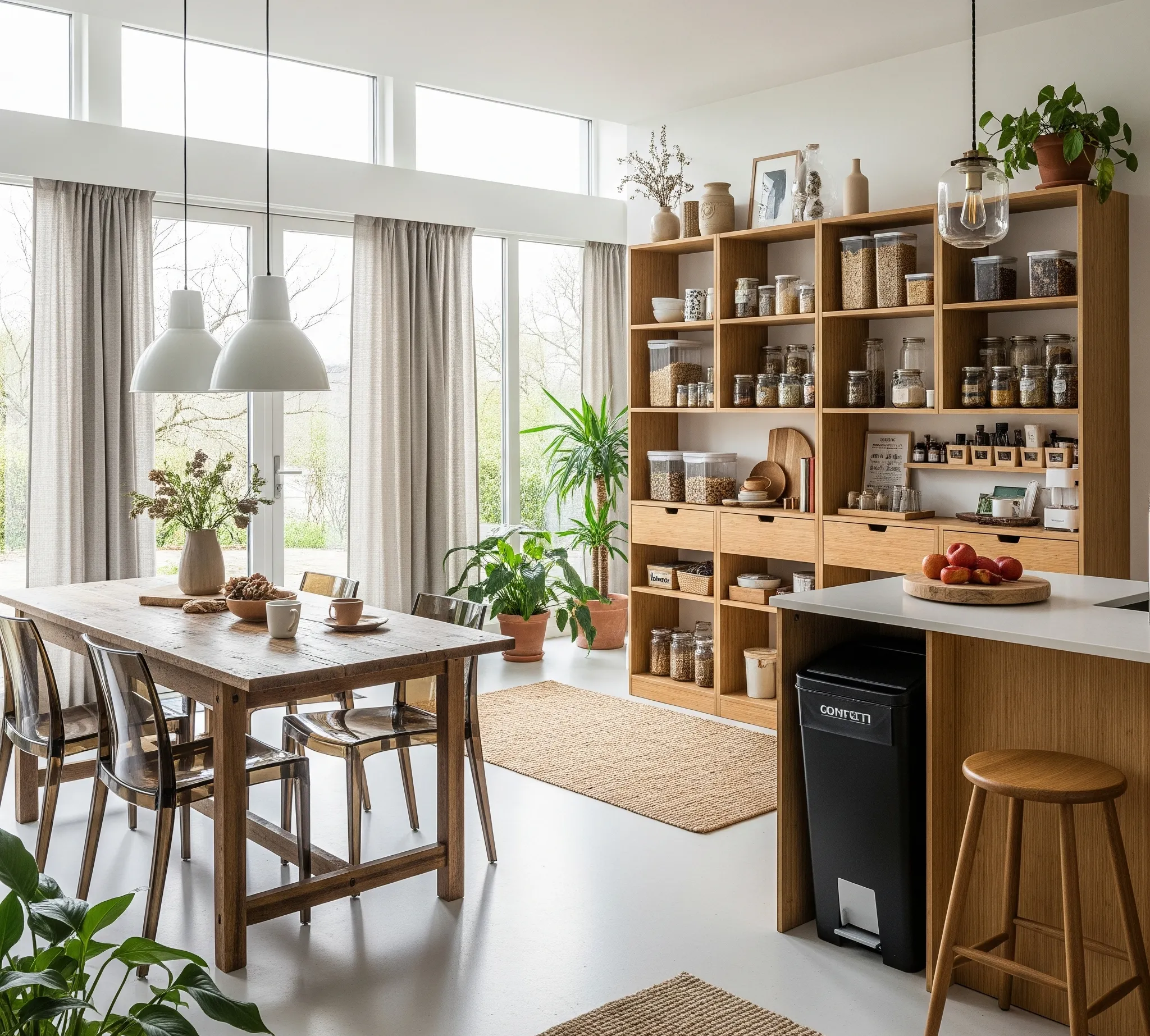
Creating a zero-waste home design starts with selecting materials and furniture that are both eco-friendly and durable. Opt for natural, renewable, and non-toxic options such as bamboo, reclaimed wood, cork, or recycled metal. These materials not only reduce environmental impact but also stand the test of time, minimizing the need for frequent replacements. Investing in multifunctional or modular furniture further supports sustainability, as it adapts to your changing needs and reduces waste. Prioritizing quality over quantity forms the foundation of a zero-waste lifestyle while keeping your home stylish and functional.
Home Design : Repurpose, Upcycle, and Reduce Plastic
A key aspect of zero-waste home design is repurposing and recycling existing items. Wooden crates, old furniture, mason jars, and worn textiles can be transformed into functional and decorative pieces. For instance, an old ladder can become a bookshelf. Mason jars can also serve as storage for pantry items or office supplies. Reducing plastic is equally important. Choose glass, ceramic, or stainless steel alternatives for organizers. Select textiles made from organic cotton, hemp, or linen instead of synthetic fabrics. These mindful choices reduce waste, add unique character to your home, and make a lasting positive impact on the environment.
Maximize Efficiency and Decorate Mindfully
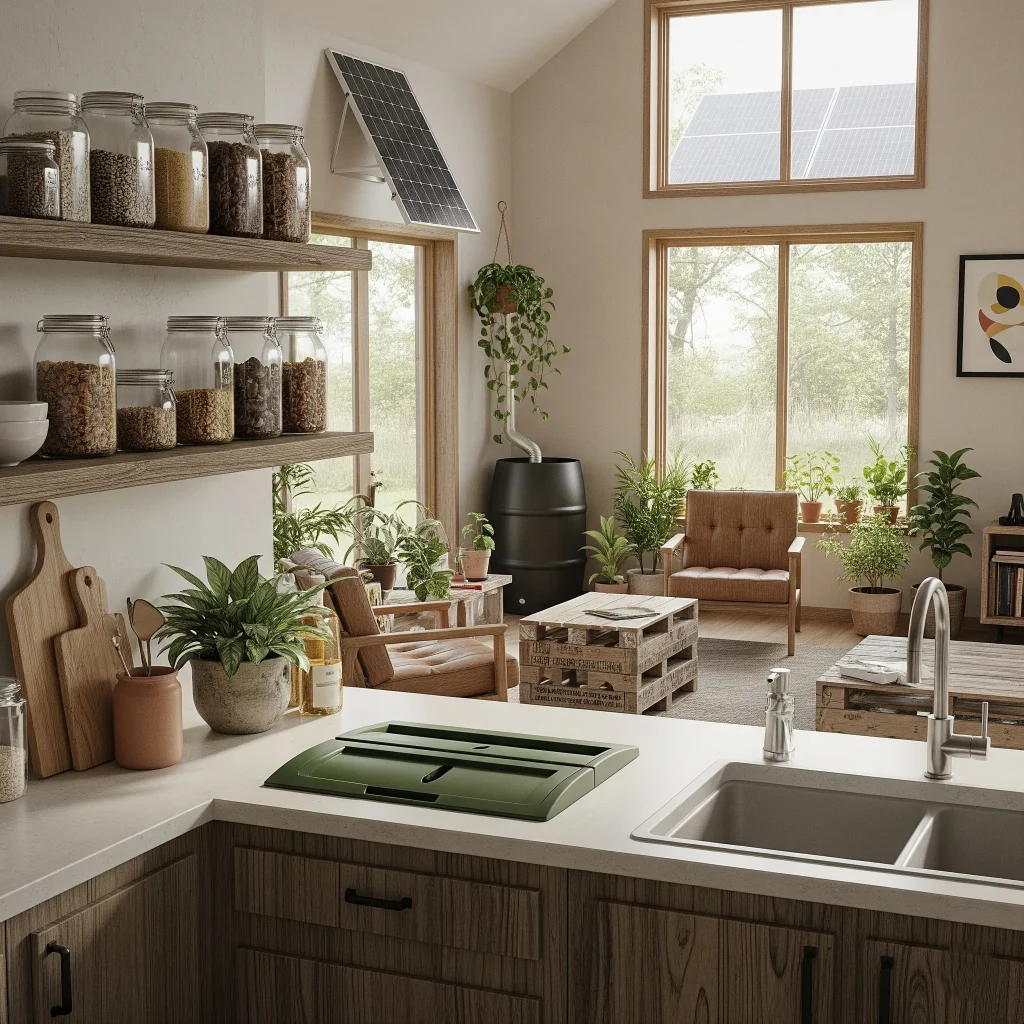
Zero-waste home design isn’t just about materials; it’s also about creating a space that is energy-efficient and thoughtfully decorated. Incorporate LED lighting, energy-efficient appliances, and natural light to reduce consumption while brightening your home. Mindful decorating, such as supporting local artisans, choosing handmade decor, and incorporating indoor plants, adds personality and improves air quality. By combining functionality, sustainability, and thoughtful aesthetics, your home becomes a space that reflects your values. It enhances well-being and reduces environmental impact. A zero-waste design is more than a trend — it’s a lifestyle choice that balances beauty, functionality, and responsibility.

YOUR COMMENT