
The Rise of Multi-Functional Interior Design
In today’s fast-paced world, homes are no longer just places to sleep and eat—they have become offices, gyms, entertainment zones, and sanctuaries. This shift has made multi-functional interior design more important than ever. Whether you live in a compact apartment or a spacious house, the ability to transform one room into several usable zones creates flexibility without sacrificing comfort or style.
Smart Interior Design for Work and Productivity
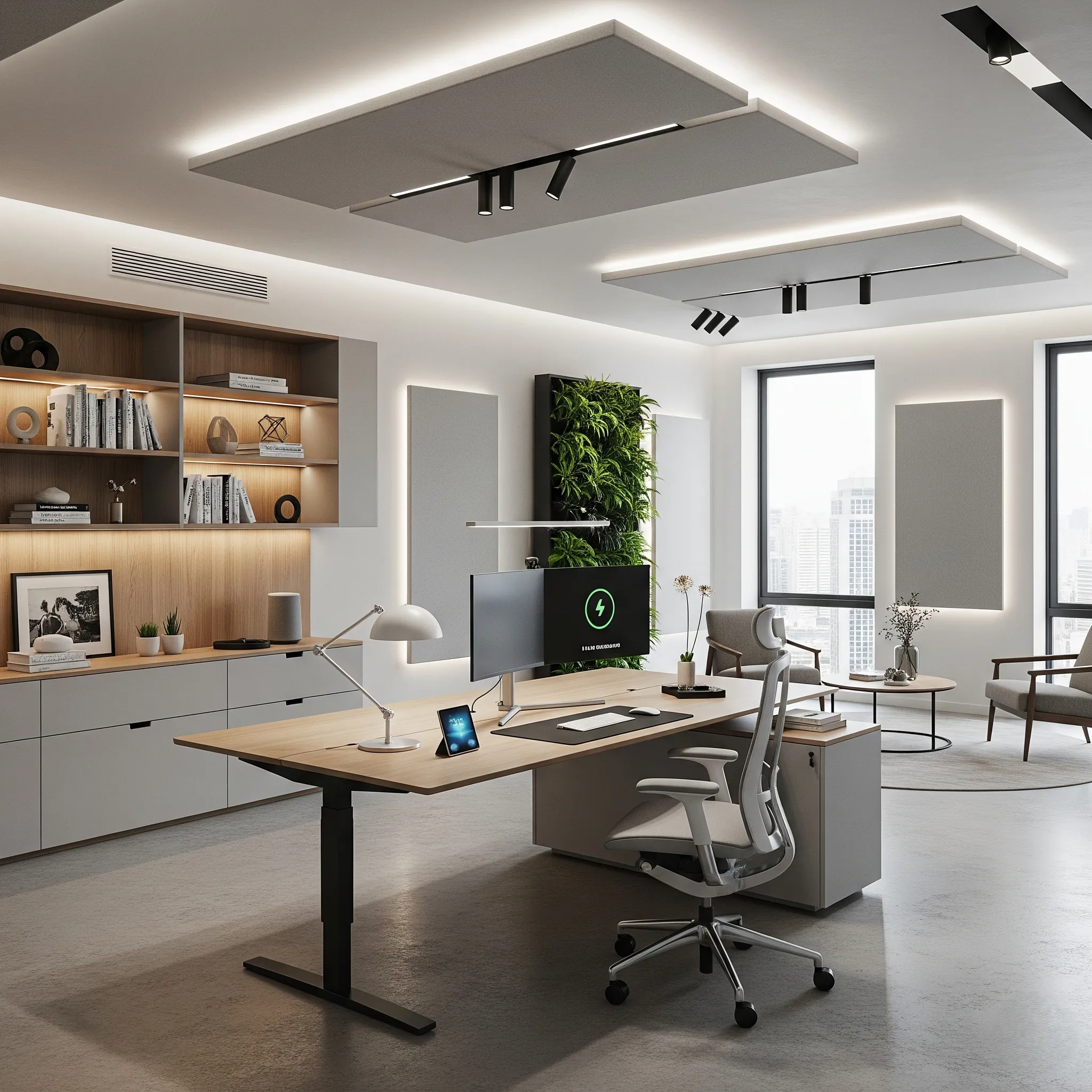
Remote work has changed the way people approach their spaces. A thoughtful interior design plan incorporates dedicated work corners without demanding a separate room. Clever zoning through rugs, shelving units, or even lighting can define areas for concentration. Ergonomic chairs, foldable desks, and smart storage options ensure a workspace that promotes productivity while blending seamlessly with the rest of the home. By focusing on practical yet stylish solutions, you can create an office corner that feels professional without overwhelming the living space.
Creating Spaces for Play and Relaxation
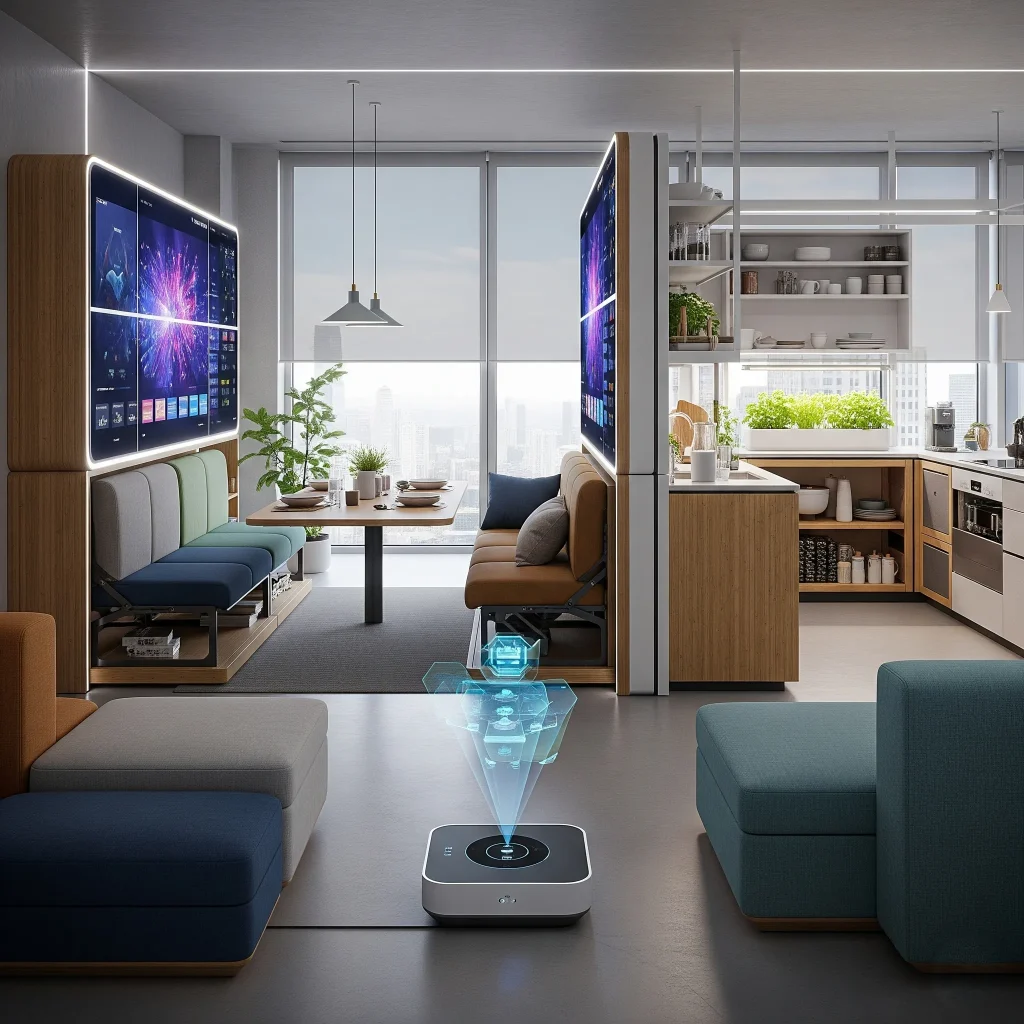
A home should balance function with enjoyment, and multi-functional interior design makes this possible. Entertainment setups can double as family gathering spots, while dining areas can easily convert into game or hobby zones. For relaxation, the right color palettes, soft lighting, and biophilic elements like plants bring calm and harmony into any room. The use of sliding partitions or curtains allows spaces to “switch roles,” offering privacy when needed while keeping the overall layout open and flexible.
The Future of Interior Design is Versatility
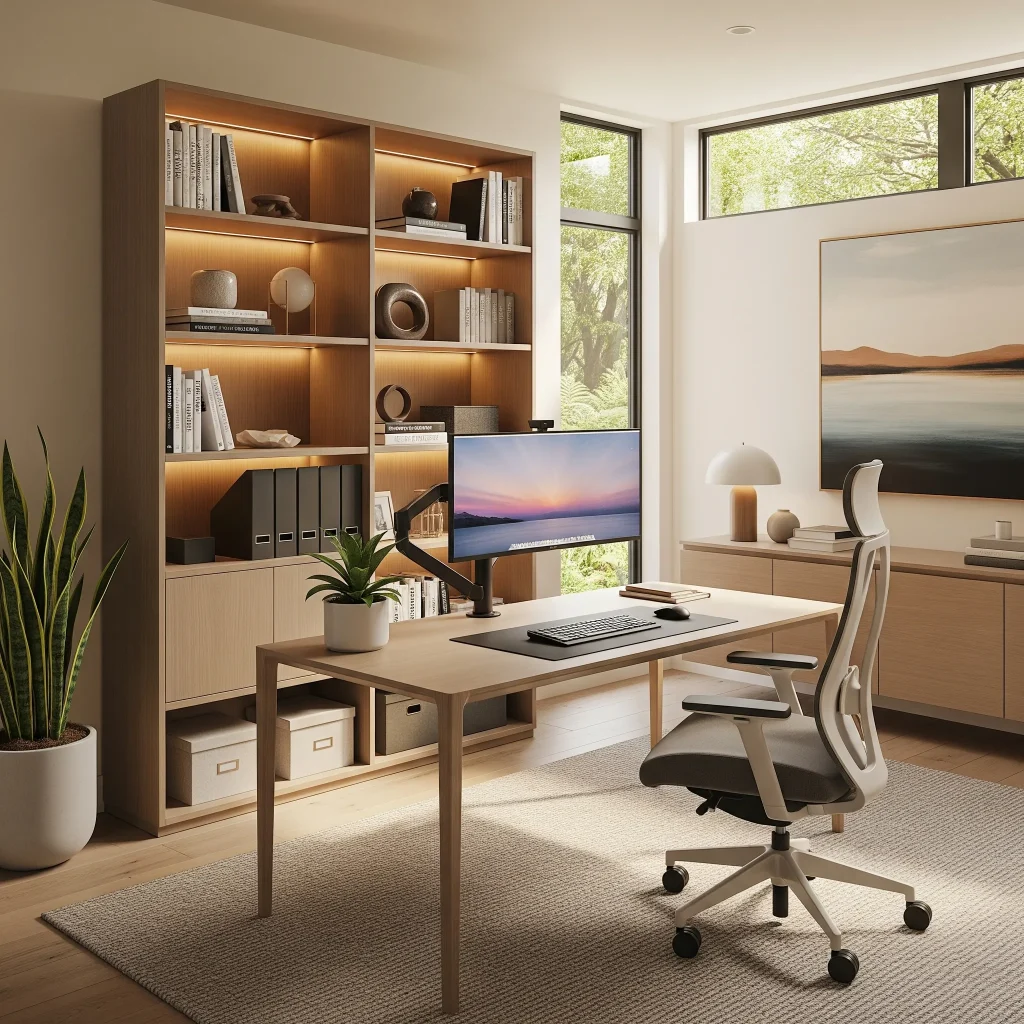
Ultimately, the future of interior design lies in versatility. Modern lifestyles demand spaces that adapt to different needs without clutter or compromise. From modular furniture to smart storage, the best designs work hard while still inviting rest and creativity. Multi-functional interiors not only maximize square footage but also improve quality of life by ensuring that every corner of the home serves a purpose. With the right planning, you can design a home that supports work, play, and relaxation—truly reflecting the way we live today.

YOUR COMMENT