
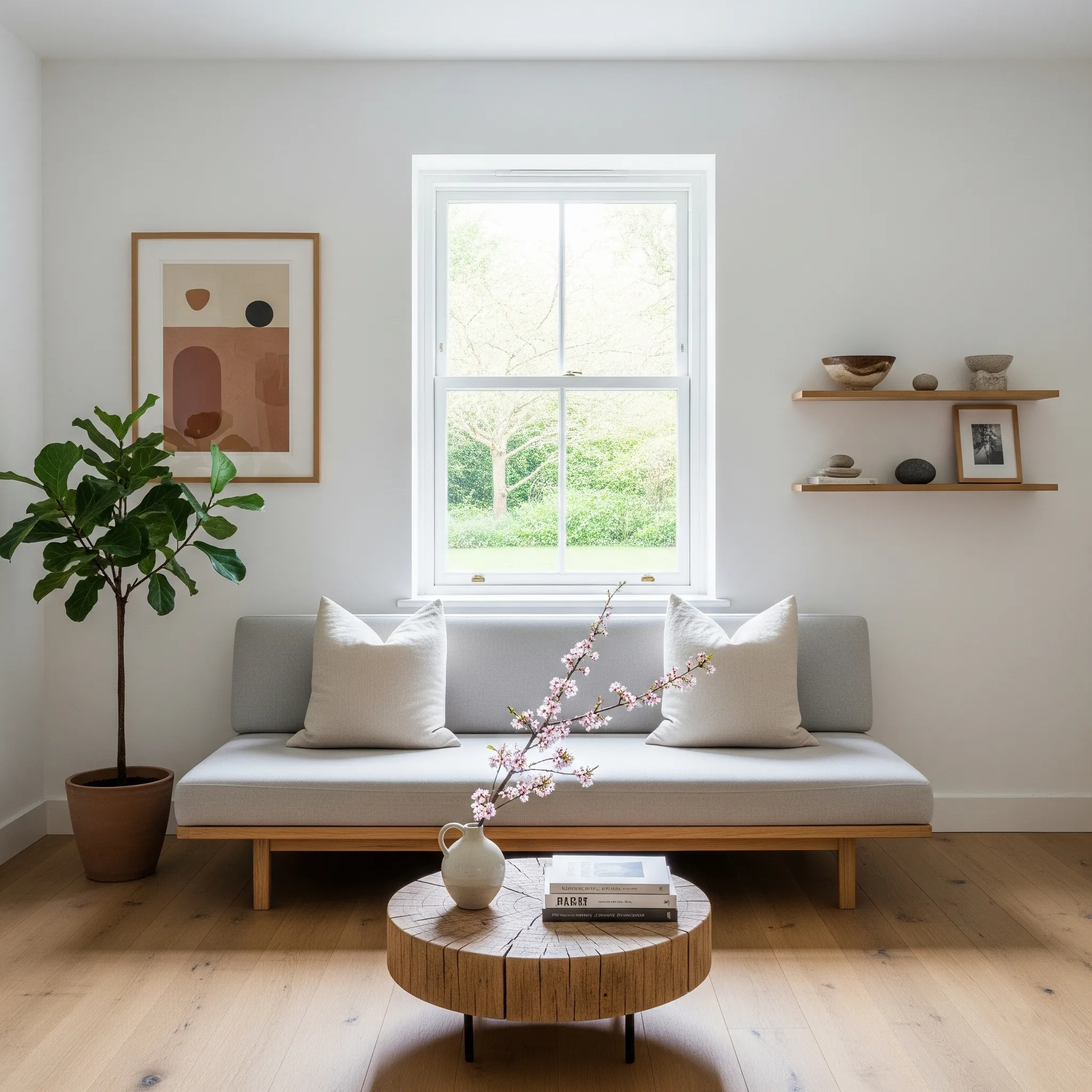
Emotional minimalism blends the visual simplicity of minimal interior design with emotional awareness and intentional living. Rather than focusing solely on reducing clutter, it encourages homeowners to design spaces that support mental clarity, comfort, and personal identity.
In an era defined by fast-paced lifestyles, digital overload, and constant consumption, our homes are becoming more than just functional spaces—they are places of emotional refuge. Interior design is no longer only about aesthetics; it is about how a space makes us feel. This shift has given rise to a powerful design philosophy known as emotional minimalism, which is redefining the future of interior design.
What Is Emotional Minimalism?
Emotional minimalism goes beyond traditional minimalist interiors. While classic minimalism emphasizes clean lines, neutral palettes, and fewer objects, emotional minimalism adds depth by prioritizing emotional connection and meaning.
In interior design, emotional minimalism means:
- Keeping items that align with your values and lifestyle
- Choosing furniture and décor with purpose
- Creating spaces that feel calm, warm, and personal
Instead of empty or sterile rooms, emotional minimalism creates balanced interiors where every element serves a functional or emotional role.
Why It Matters in Modern Living
Modern life is often filled with noise—both physical and digital. Overcrowded homes, visual clutter, and excessive décor can subconsciously increase stress and anxiety. Emotional minimalism addresses this challenge by encouraging mindful design decisions that promote well-being.
Studies suggest that clean, organized spaces help reduce stress and improve focus. Open layouts, natural light, and simple interior design elements create an environment that supports mental clarity and emotional balance. This is why emotional minimalism is becoming one of the most influential movements in modern interior design.
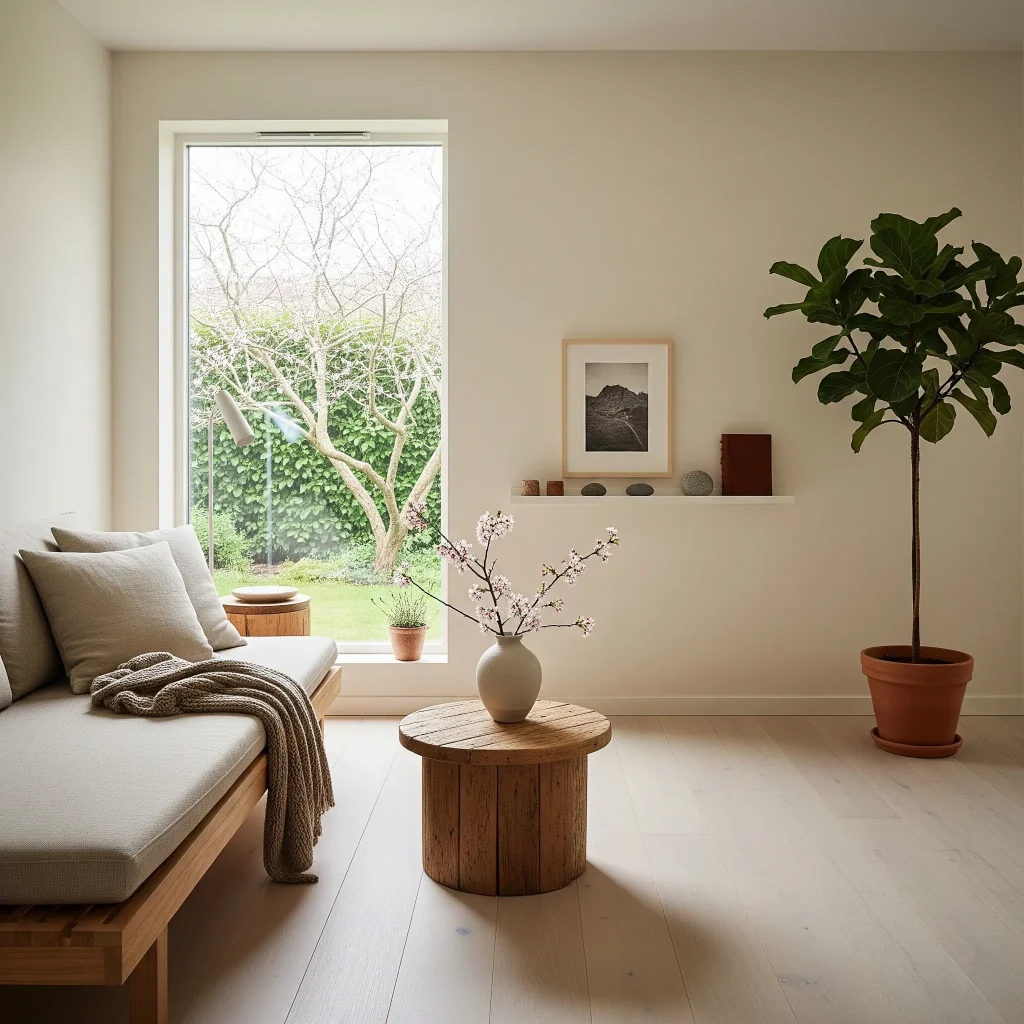
Practical Ways to Apply Emotional Minimalism
1. Meaningful and Intentional Décor
Emotional minimalism encourages homeowners to choose décor pieces that tell a story. Artwork, travel souvenirs, family photographs, or handmade items bring emotional value to a minimalist space without overwhelming it.
2. Functionality Over Excess
In emotional minimalism, every piece of furniture should serve a clear purpose. A chair that is visually appealing but uncomfortable does not support emotional well-being. Functional design enhances daily living while maintaining aesthetic simplicity.
3. Natural Materials and Textures
Using natural materials such as wood, stone, linen, and clay adds warmth and grounding energy. These elements soften minimalist interiors and create a stronger connection to nature, which positively impacts emotional health.
4. Thoughtful Decluttering
Decluttering is a core principle of emotional minimalism, but it is done with intention. The focus is not on removing items to achieve a certain look, but on letting go of things that no longer serve a functional or emotional purpose.
By focusing on these steps, you can integrate minimalism design into everyday life while keeping comfort and personal meaning intact.
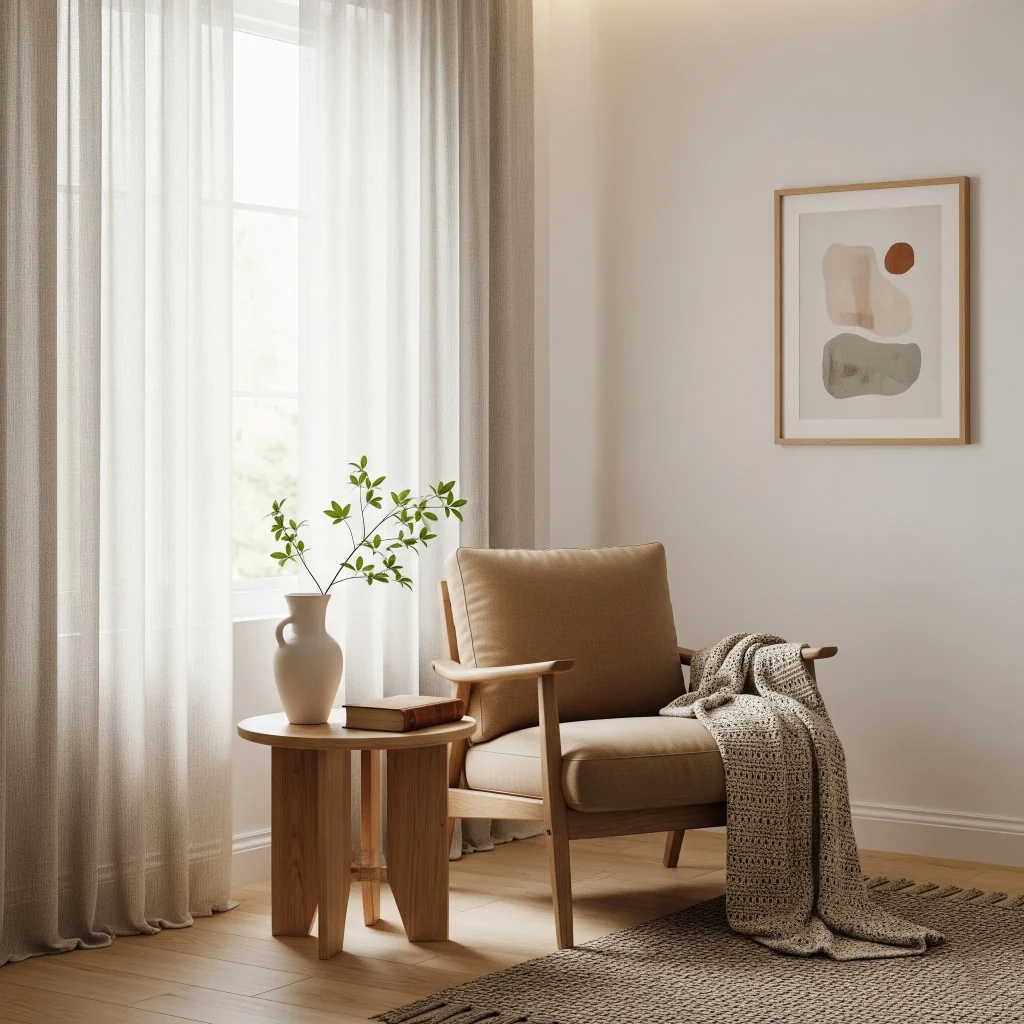
The Future of Interior Design
As homeowners become more conscious of their mental and emotional health, interior design is shifting toward more meaningful and human-centered approaches. Emotional minimalism represents this evolution perfectly.
It is not about following rigid design rules or eliminating personality. Instead, emotional minimalism allows for individuality while maintaining simplicity and balance. As a result, it is quickly becoming a long-term design philosophy rather than a passing trend.
Interior designers are increasingly embracing emotional minimalism to create spaces that feel authentic, peaceful, and timeless.
Conclusion
Emotional minimalism is shaping the future of interior design by redefining what it means to live well at home. By combining minimalist design principles with emotional awareness, it creates interiors that are not only beautiful but deeply supportive of well-being.
Choosing emotional minimalism means designing a home that reflects who you are, reduces stress, and enhances everyday living—making it a truly sustainable and meaningful approach to modern interior design.

YOUR COMMENT