
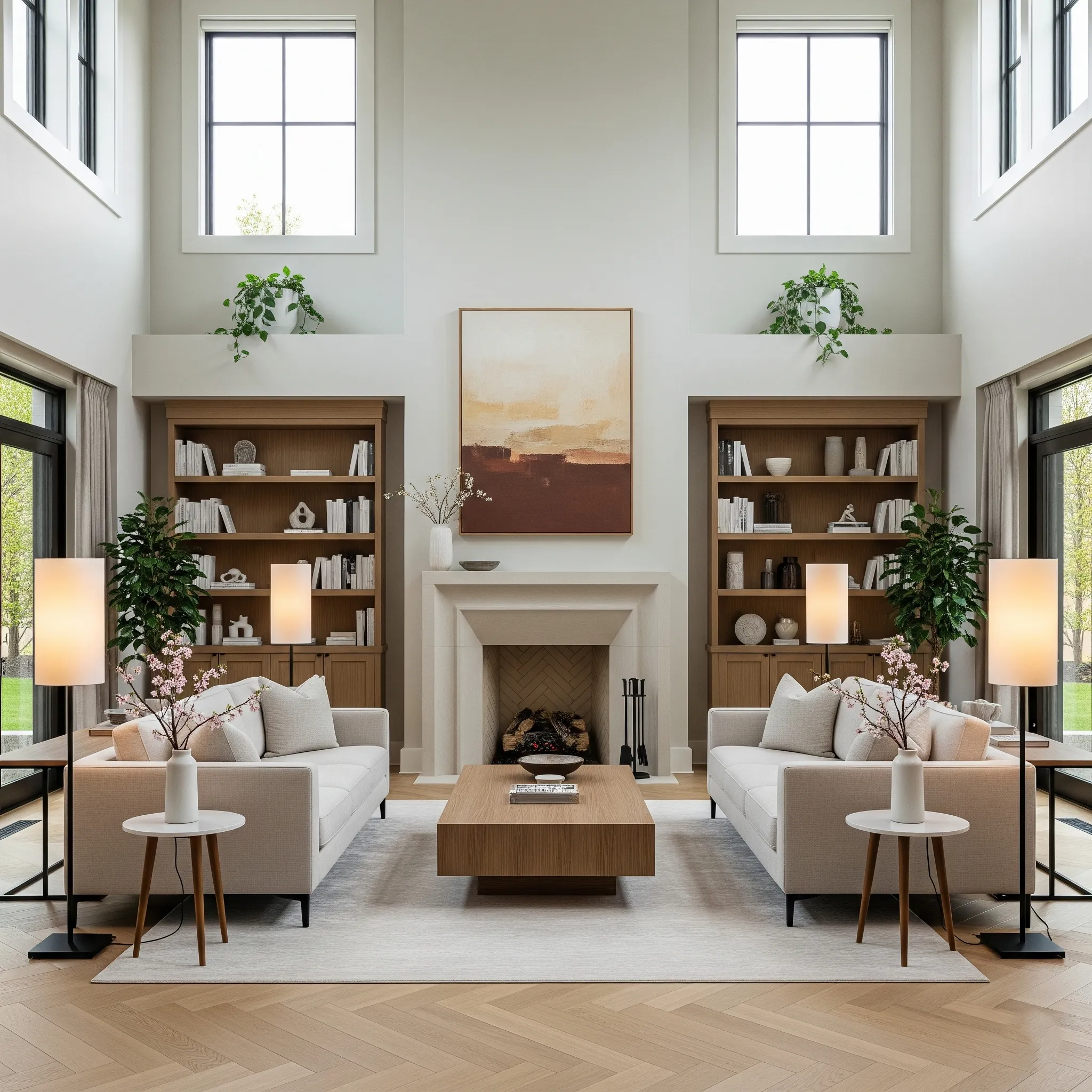
In interior design, balance, harmony, and proportion are fundamental principles that create visually appealing and functional spaces. Whether you’re decorating a living room, bedroom, or office, understanding these elements ensures that your space feels cohesive, inviting, and comfortable.
1. Balance in Interior Design
Balance refers to the distribution of visual weight in a room. There are three main types:
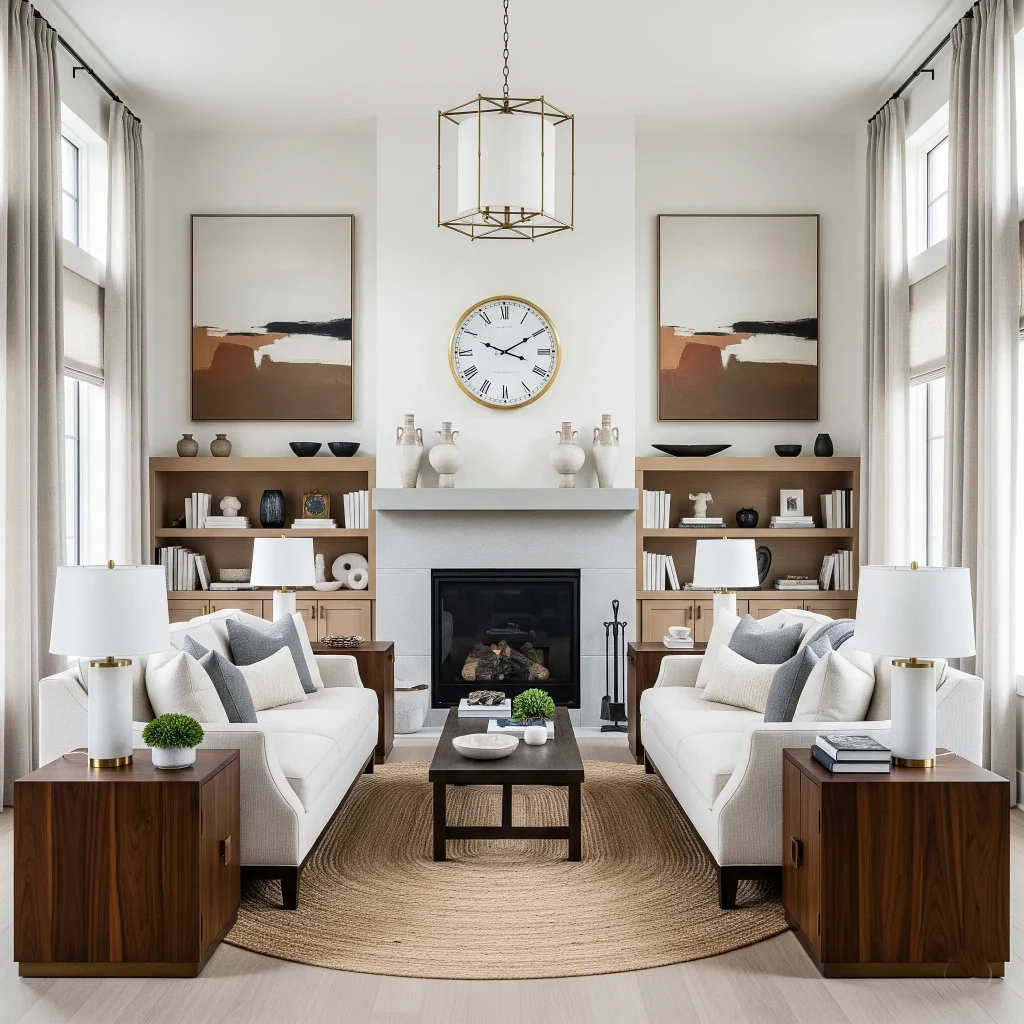
- Symmetrical Balance: Matching elements on either side of a central point, like identical chairs flanking a sofa.
- Asymmetrical Balance: Different elements that carry equal visual weight, such as a large sofa paired with a cluster of smaller chairs and accessories.
- Radial Balance: Items arranged around a central focal point, like a round dining table with chairs evenly spaced.
Incorporating balance in your interior design ensures a sense of stability and order.
2. Harmony Through Interior Colour and Style
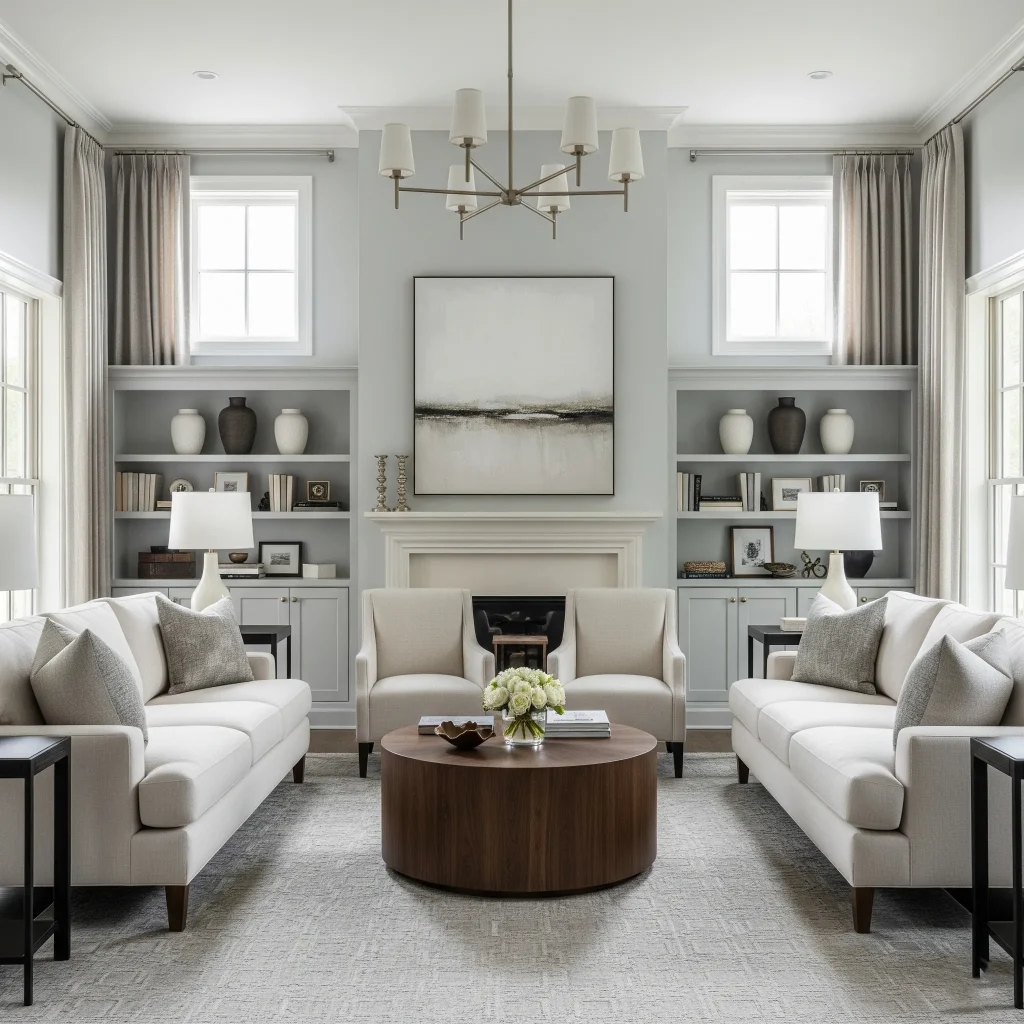
Harmony occurs when all elements in a room complement each other. Interior colour plays a major role in achieving harmony. Coordinating colour palettes, textures, and materials can tie a space together. For instance, soft neutral tones paired with subtle accent colours create a calm and cohesive atmosphere. Harmony is not about matching everything perfectly but creating a sense of flow that feels natural to the eye.
3. Proportion and Scale
Proportion is the relationship between the size of objects within a space, while scale is their size relative to the room itself. Oversized furniture in a small room can feel overwhelming, while tiny pieces in a large space may feel lost. Proper proportion ensures that every element contributes to a visually balanced composition. Consider grouping objects of varying heights and sizes to maintain interest while preserving harmony.
4. Bringing It All Together
Applying balance, harmony, and proportion in your interior design creates rooms that are not only functional but also aesthetically pleasing. Thoughtful use of interior colour, furniture placement, and decorative elements ensures a home that feels well-composed and inviting.
Final Thoughts
Understanding these core principles empowers you to design spaces that feel cohesive and timeless. By balancing visual weight, harmonizing interior colour and textures, and maintaining proper proportion, your home can achieve a professional and polished look without sacrificing comfort or personality.

YOUR COMMENT